
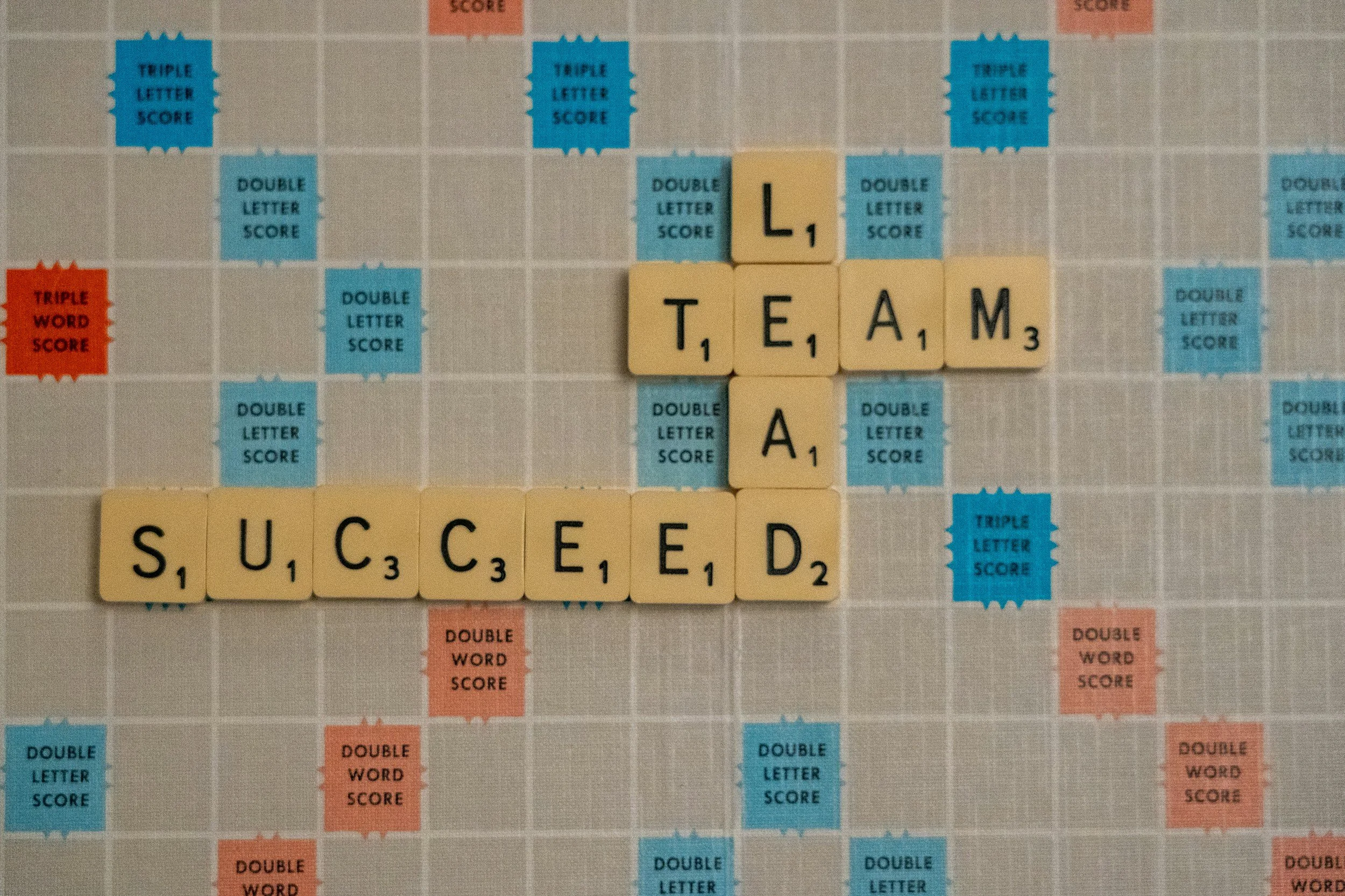
The Vulnerable Executive: Why Leaders Must Model Mental Fitness
How does a leader's physical health impact team morale? A leader's visible commitment to their own mental and physical fitness directly sets the baseline for team culture and resilience. By actively sharing your wellness routines and demonstrating vulnerability, you empower your team to prioritize their health, ultimately reducing systemic burnout.How does a leader's physical health impact team morale?
A leader's visible commitment to their own mental and physical fitness directly sets the baseline for team culture and resilience. By actively sharing your wellness routines and demonstrating vulnerability, you empower your team to prioritize their health, ultimately reducing systemic burnout.
No matter what stage you’re in your public relations career, you are the future of our profession.
People look up to you to set an example. They look at every move we make; they analyze every email we send, how we lead meetings, and overall, how we conduct ourselves and treat others.
No one knows exactly how our work environment will evolve over the next year or decade, but one thing will always be consistent: our need to be mentally and physically fit to lead. Staying fit is essential to have the energy to build trust and rapport with your teams, which will increase respect, understanding, communication, and ultimately acting as trusted advisors to help your organizations meet their business objectives.
Staying connected with your employees will boost morale. It will help bring a human side to you and ultimately help grow those professionals to see you as the people they want to become.
Here are my three recommendations on how to do so.
First, analyze how you’re engaging with your teams and adjust as needed. Often, we revert to all-staff meetings in which we stand in front of a podium (virtual or physical) and deliver remarks. As we evolve in this new era, please identify ways to connect with your teams beyond one-to-many engagements. Ask your teams regularly to what degree they feel connected with you and each other.
Second, show your team how you’re staying mentally and physically fit and making yourself a priority. If you’re a public relations leader today, it wasn’t because of luck; it was in part because you’ve understood how to prioritize your mental and physical health. Many of you have established nutrition, mindfulness, and physical health habits. Where it’s going to yoga, using an at-home spin bike, hiring a personal trainer or nutritionist, many of you are investing in yourself. Share those stories with your team. Talk with your team about how you prioritize your health and wellness, especially if you’re using your company’s benefits in doing so.
Finally, open up. As many professionals are examining their personal and professional lives in the post-COVID era, this is an opportunity to reconnect with your teams, show your vulnerable side, and empower your team and give them the time to do so. Doing so will lead them to understand how important they are to you and ultimately show them how to treat their teams when they become managers and executives.
And ideally, you’re spending time with them in a way that positively impacts mental and physical health. Virtual walk and talk meetings are a great way to stay active with your team. Ask yourself how you prioritize yourself to grow in your career, pass that message along to your teams, and empower them to do the same.

The 12-Month Wellness Strategy: Writing a Letter to Your Future Self
In an era of constant short-term crisis management, executives often lose sight of their long-term health. Writing a highly specific, physical letter to your "future self" creates a powerful psychological anchor that guides daily decision-making and forces accountability regarding your personal boundaries.How can executives maintain long-term focus on their personal health?
In an era of constant short-term crisis management, executives often lose sight of their long-term health. Writing a highly specific, physical letter to your "future self" creates a powerful psychological anchor that guides daily decision-making and forces accountability regarding your personal boundaries.
An essential role of the public relations professional is of the storyteller. We design and share the voices of those who otherwise are not heard.
This month, I’m asking you to write a letter to yourself about how you want to feel 12 months from now. What are the benefits of writing such a letter?
In an era in which many of us have focused on the near term, this is an opportunity to shift attention to the long term.
Studies show if you take pen to paper and physically write a letter (vs. typing), you’ll commit to it better.
This process will have specific elements that you can look through every personal and professional decision and ask, “how does this fit into my story?”
It sharpens your writing skills! By practicing this exercise on yourself, writing your own story can help shape the stories you tell of others. What should your letter include?
How do you feel about your well-being today? Use action verbs to paint that picture.
How do you want to feel one year from today? Describe a scenario that you want to experience because you made a change.
Why do you want to feel that way? This is the most critical part of your letter!
What are the tactics you will take to make that change? Focus on what is in your control.
How will you take the time to make that a reality? What steps will you take to focus on your well-being when you’re the only one who controls your time?
Whether it’s work- or family-related, something will get in your way. What are some examples?
How will you overcome those challenges? What is your Plan B in case things don’t go your way?
How will you hold yourself accountable? Will you identify friends, family, coaches, mobile applications, or other methods to stay accountable this year?
What do you want to happen because of this change ultimately? How should you use this letter?
When making choices about your professional future. How does your career support your letter? When speaking with prospective employers or exploring other career options, are you keeping in mind your letter?
When you’re saying “yes” too many times. The next time you’re taking on extra projects or activities, look at your letter before committing. How will taking on more impact your well-being?
When you’re lacking focus or direction. Throughout the year, you will find yourself in a lull. Pulling out this letter at least once per month will help remind you of where you want to go. This story is an opportunity to ensure you’re honoring yourself the way you deserve. Because that’s the most important story of all.

The Executive Holiday Self-Care Guide: Subtraction by Addition
The holidays often lead to extreme stress and decision fatigue. Leaders can radically protect their well-being by mastering the art of saying "no," intentionally taking personal time away from screens, and refusing to wait until the New Year to execute positive health habits.How can leaders maintain their well-being during the holidays?
The holidays often lead to extreme stress and decision fatigue. Leaders can radically protect their well-being by mastering the art of saying "no," intentionally taking personal time away from screens, and refusing to wait until the New Year to execute positive health habits.
Happy Holidays to you. The days are shorter, the nights are longer, the stresses are higher, our patience runs lower. You’re wrapping up year-end reports, starting 2021 planning, all the while taking care of your family and surviving a global pandemic. Slowly but surely, you’re focusing more and more on everyone and everything except yourself. I’m permitting you to give the gift of yourself this holiday season. I think we deserve it every year but in particular 2020. Here are four ways to gift yourself this holiday season. 1) Say yes to saying no. “No, but thank you.” Simple words to say. Important to master. Picture this scene: It’s 6:30 p.m. on Thanksgiving. You’re at the in-laws for a physically distant meal. Dinner ended two hours ago. The in-laws tell you how much time they spent making all their pies. “I can’t wait for you to try all 5,” they say. “And of course, it goes perfect with whipped cream. I make mine from scratch.” Has this happened to you? You didn't plan to eat five. You planned to have one with a glass of wine, and be satisfied but not stuffed. How do you respond? My recommendation? “Wow, that sounds lovely. No, but thank you. I know you spent so much time on this, but I am full. How about I take one piece for tonight, and we can wrap the rest to take with us when we leave?” You can appreciate the time and effort put into the day. Sometimes you need to lay it on thick. But don’t let a potential guilt trip make you eat more than you want. Have some pie. Have a drink. But stick to the plan. It’s YOUR plan. 2) Give yourself permission to add personal time and play hooky this holiday. Every year around Thanksgiving I make sure to take at least one day off to spend with my mom. We go shopping, we catch up, we talk about life. It’s a special event. It’s also a day that I’m not on my phone, in a meeting, answering emails, or checking my social media channels. For that alone, it feels like bliss. Find a day. Find four hours to get off the phone, stay off your social channels, and play hooky. How will YOU spend YOUR time? 3) Feed yourself the premium fuel you deserve. Unfortunately, we live in a world where we're sold products that taste good but are not always good for our bodies. We eat and drink the equivalent of regular unleaded fuel when our body requires premium unleaded. We trust the good taste and short-term positive feelings to justify accepting regular unleaded gasoline. I am here to tell you: you are always premium. Remember that next time you’re at the grocery store. 4) Don’t fast-forward time and put off resolutions to 2021. I’m proud to have lost 150 pounds and have kept that weight off for more than a decade. When I started my journey, I didn’t suddenly change my diet and exercise habits on January 1. I started making my changes on a cold Saturday morning in December 2007. I made a decision that “enough was enough” when it came to my personal health. I know 2020 is the most challenging year most of us have experienced, however, there are two more months left. See these two months as a gift. Do not wait for 2021 to change what you want to change today. Have a wonderful holiday, everyone.

Managing Up: Strategic Communication in the Remote Era
The chaotic remote work environment easily leads to employees falling "out of sight and out of mind" with their overwhelmed managers. To effectively manage up and become an indispensable trusted advisor, public relations professionals must proactively interject on strategic threads, demand distinct email subject line protocols, and secure mandatory "Plan B" contingencies for canceled meetings.
How can remote employees effectively manage up to executive leadership?
The chaotic remote work environment easily leads to employees falling "out of sight and out of mind" with their overwhelmed managers. To effectively manage up and become an indispensable trusted advisor, public relations professionals must proactively interject on strategic threads, demand distinct email subject line protocols, and secure mandatory "Plan B" contingencies for canceled meetings.
The school year will look different this fall during COVID. What was considered a trial period this spring with students taking classes from home will continue this fall and likely beyond. Parents will wear multiple hats 24 hours per day taking care of their children and checking on their parents and extended family, all the while continuing to be influential business leaders.
This is a significant test of our mental health.
The silver lining with living in the era of COVID is that we will be forced to learn new techniques to communicate with each other, give more grace, and ultimately learn how to live a more balanced life while still thriving in our career.
If you work with colleagues or clients who are parents or taking care of others during COVID, here’s how you can effectively manage up so you can be there for them while giving yourself a chance to flourish.
Be proactive. Your clients and managers WANT to hear from you. In today’s era, however, showing up virtually means thinking multiple steps ahead. Unfortunately, “out of sight, out of mind” is a common human trait. Pandemics won’t immediately change this, so make sure you are showing up.
Recommendation: Interject and lean in on email threads, virtual calls, and other opportunities to engage strategically and consistently. Share trends and recommendations that are timely and to-the-point that illustrates the critical thinking trait that got you hired in the first place! Your clients and bosses are managing multiple deadlines, not just the ones you’re leading. Need more time on that deadline? Have active discussions on key priorities so you know what’s truly important and when. Ask for extensions EARLY, not LATE in the process.
Be prepared in case of an emergency. Does your boss or client constantly postpone or cancel your meetings? Suggest alternative options to the meeting so that decisions can still be made, and projects don’t stay stuck.
Recommendation: Always have a Plan B if your 1:1 or group call needs to be postponed or canceled. Create and send short pre-reads to those you’re meeting with that addresses agenda topics and points of discussion. In case the meeting doesn’t happen, there’s a record available so you can continue to advance the conversation via email, text, or other forms of communication.
Keep your communication tight, solution- and action-oriented. Your manager or client does not have all the answers. That’s why you’re there in the first place! Have you uncovered a problem? Great! What is your recommended solution? And how quickly and effectively can it be communicated?
Recommendation: One way to do this is to analyze your email structure. One example: are you using subject lines effectively? Use a consistent approach for subject lines in sending emails. Examples include:
• FYI, only – no action needed: a great case study in PRSA’s Strategies & Tactics!
• Response needed by 2:00 p.m. PT/5:00 p.m. ET: agenda topics for Tuesday’s planning discussion
• Jane, I welcome your thoughts: PR recommendation for the upcoming launch
Installing these techniques will help to build confidence with your clients and bosses, giving them the flexibility they need to manage their family and job, and ultimately show your value as a trusted advisor.
Finally, always show grace. We are being challenged mentally every day. People WILL remember how they were treated during these times, and – as people move to other jobs - focusing on the relationship and those you’re working with long-term will pay dividends throughout your career.
What John Wooden’s Socks Teach Us About Executive Burnout
Chronic multitasking directly accelerates burnout. To combat this, executives must practice radical presence by dedicating distraction-free time to ideation, deeply listening during meetings without backchanneling, and taking daily completely disconnected breaks away from screens and devices.
How does being "present" reduce executive burnout?
Chronic multitasking directly accelerates burnout. To combat this, executives must practice radical presence by dedicating distraction-free time to ideation, deeply listening during meetings without backchanneling, and taking daily completely disconnected breaks away from screens and devices.
“Because it’s the little details that make the big things come about.”
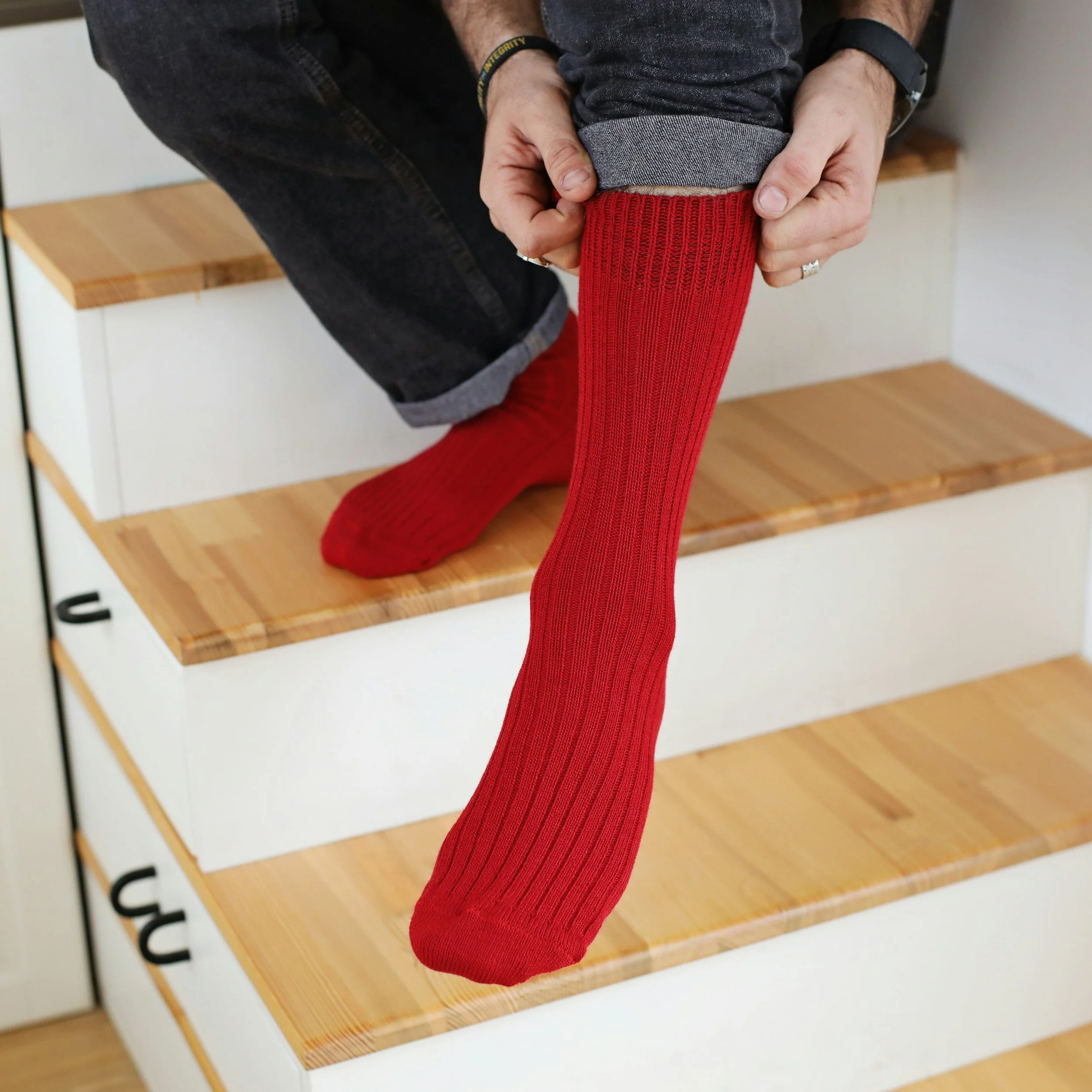
Legendary college basketball coach John Wooden has a famous instruction he gave to his players at UCLA, including hall-of-fame player Kareem Abdul-Jabbar; put your socks on correctly so you don’t get blisters.
Coach Wooden was trying to teach his players how to prevent an injury, but he indirectly taught them an important tool to deal with burnout: be present and in the moment.
For most of us, putting on our socks is just another mindless chore as we tick off the list of things we need to do to get ourselves ready for the day.
Today, some of us completely skip the socks and shoes as we are working from home through COVID-19.
But fall is coming, the chilly days will be here soon enough, and on the socks will go again.
If you’ll allow me to be literal and figurative for a moment, as we put on our socks, can we be more prescriptive and present while doing so?
This month, before we head into a busy fall and winter, let’s focus on:
Being present when we ideate.
Thomas Edison said “The best thinking has been done in solitude. The worst has been done in turmoil.”
During this era of turmoil throughout COVID-19, we are growing accustomed to the software and online services that make virtual brainstorming with others easier. It helps solve one problem but ultimately creates another. What about how we ideate? It’s been said, “the best thinking is done in the shower.” I don’t have scientific proof that’s true, but I agree with the sentiment. It’s a time in which we can process our thoughts with few interruptions.
When was the last time you brainstormed an idea with as few distractions as possible? No computer, no phone, no smartwatch, no television, no music. How novel, right?
My advice: schedule 30-60 minutes per week with no distractions for you to think about an opportunity you need to flesh out further or a problem you need to solve. By yourself!
This is important because we also need to focus on…
Being present as a trusted advisor.
Vanilla Ice’s “All right, stop. Collaborate, and listen” has another rewarding benefit other than his classic “Ice Ice Baby” 1990s song lyric. Examine your calendar this week. What’s the next meeting you have that you can truly be present in? By “present” I mean, no typing on the keyboard, no backchannel Slack conversations trying to figure out what the client is referring to, or any of the dozens of other ways we multitask during meetings. This time, you’re focusing on nothing else but the person on the other end of the mobile device or laptop. You’re listening intently, taking notes when necessary, but being present throughout.
None of this matters, however, if we are not…
…Being present for our health.
I’ve written in the past about walk and talk meetings, taking Zoom calls while exercising, or riding your stationary bike while watching (or giving) a webinar. Today, I am talking about a different form of exercise. This is about your mental wellbeing. Grant yourself 10 minutes per day to go on a walk, by yourself, with no form of electronics attached to you. Focus on all your senses. The perspective and energy you can gain from this are without rival.
Focusing on ourselves isn’t something that can just “wait until September,” “after COVID-19 goes away,” or “January 2021.” It’s something we can do now, will help with our family and our career, costs nothing and takes little time. The pressures will come and go in our personal and professional lives, but if we don’t take care of ourselves, those pressures will only compound.
Eleanor Roosevelt said it best: “You gain strength, courage, and confidence by every experience in which you stop to look fear in the face. You can say to yourself, ‘I lived through this horror. I can take the next thing that comes along. You must do the thing you think you cannot do.’”
Right now, we need simple solutions to live through the burnout of experiencing this horror of COVID-19. Look no further than examining how we’re spending our life and doing so with a little more care and attention that we have in the past.
We all put our socks on one at a time. Let’s take a few extra moments for ourselves next time we do so.