

Designing Your Personal Wellness Crisis Plan
To maintain their health routines during unpredictable crises, executives must proactively design a "Plan B" wellness protocol. By anticipating disruptions and pre-determining alternative micro-habits—such as a 10-minute walk instead of a canceled fitness class—leaders can protect their physical resilience without succumbing to frustration.
How can executives maintain their health routines during a crisis?
To maintain their health routines during unpredictable crises, executives must proactively design a "Plan B" wellness protocol. By anticipating disruptions and pre-determining alternative micro-habits—such as a 10-minute walk instead of a canceled fitness class—leaders can protect their physical resilience without succumbing to frustration.
As public relations professionals, we train for managing a crisis. As we have lived through COVID, I have witnessed you lead in communicating timely, accurate, and essential information to the public, and that information has saved people’s lives. Thank you for all you have done, and we are continuing to do so during this time.
As we witness vaccination rates increasing through the spring and summer, it’s time to turn our attention to ourselves. Because we have been spending so much of our mental and physical strength writing, rewriting, and executing crisis plans for our clients and our organizations, it’s time to focus on our well-being.
How? Let’s start with applying techniques we already use when writing crisis plans for others and apply those to ourselves. Let’s design our wellness crisis plan.
Why do you need a personal crisis plan? Think back to the times you told yourself you wanted to go on a run or a hike or make time eating healthier meals, and for whatever reason, it just didn’t happen. It could be because you received an urgent call about a work crisis, or you spent that time with your children to help with homework, you felt sick, or something else got in your way to not allow you to do something that was going to better yourself mentally and physically
Especially in the COVID era, we have managed many obligations in our personal and professional lives. I want to empower us to take the know-how that we have in developing crisis plans for organizations and know how to apply those same theories for ourselves.
Because much like work crises, how we respond to the situation is more critical to the problem itself, so here are three things to think about when designing your crisis wellness plan.
Prepare for the worst. Are you looking forward to that exercise class or healthy meal you’re making time to prepare? I want you to think about various scenarios in which you might get held up from following through. What is going to get in your way?
Anticipate how you’ll react. Next, I want you to write down how you might respond when you can’t make it to that class or create that meal. Are you going to feel frustrated or upset? Will you feel like you have ruined your day? Or will you be prepared to say, “that’s OK,” and give yourself some grace. If you can prepare for disappointment or frustration now, you will be better prepared to deal with it when it happens.
Design your Plan B. Finally, I want you to write down what you’re going to do when you can’t do what you originally intended. For instance, if you are planning to go to yoga this evening and either the class was canceled, or you had a last-minute personal or professional conflict come up that impacted your ability to attend that class, what are you going to do instead? You can tell yourself, “that’s OK. I’m going to take the next one” or, “OK, I’m going to go walk around the neighborhood without my phone and take in some fresh air,” or “OK, I’m going to set my alarm early tomorrow morning and attend the next class available.”
Like the crisis plans we write for our organizations, thinking about our wellness plans in advance will set us up for success when things don’t go our way.

Why Every High-Performing Team Needs a Workplace Wellness Charter
To prevent endemic burnout, managers must collaborate with their employees to document a concise Workplace Wellness Charter. This structural document explicitly defines core working hours, establishes communication boundaries, and details exactly how the team cross-covers for each other during paid time off.
How can managers set healthy work boundaries for their teams?
To prevent endemic burnout, managers must collaborate with their employees to document a concise Workplace Wellness Charter. This structural document explicitly defines core working hours, establishes communication boundaries, and details exactly how the team cross-covers for each other during paid time off.
I love springtime. After a long winter, it’s a welcome to bring on the fresh smells, crisp rain, bright flowers, and a renewed enthusiasm.
It’s also a great time to look at a special kind of plan I want you to consider developing.
I was recently chatting with a communications director for a global company. They’re building a brand-new team and asked for my thoughts on best practices to keep up team morale. They’re concerned about their team burning out, and they want to do what they can to ensure they are showing their team that they are prioritizing their wellbeing.
I recommended to them, and you, to develop a workplace wellness charter.
No matter if you’re a team of one or a team of 10, you need a set of norms that help set boundaries around work expectations. Such a charter is a short document and should be no more than one page.
Some of you might be thinking, “Mark, you’re crazy. There’s no way I can set guardrails around my work. I’m needed 24/7!”
I disagree. I’m challenging you to establish agreed-upon expectations with your teams. Getting buy-in from your teams will show leadership, demonstrate that you care about their wellbeing, and ultimately could see a reduction in employee turnover which will positively impact your firm, consultancy, or company.
Things that should be included in such a charter include:
A clear definition of “work hours.”
When I started my career, I received permission from my manager to work from 7:30 a.m.-4:30 p.m. Pacific Time, so I could contact media on the east coast before their deadlines and beat the afternoon traffic when commuting home.
What are the “core” business hours of your company? When should your team be expected to be available? Is it 9:00-11:00 a.m. and 1:00-4:00 p.m., for example, and other times are flexible so team members can make personal arrangements to go to the doctor, pick up their children from school, and eat lunch? What are the expectations for working on nights and weekends? Our profession isn’t 9-5, but I’ve witnessed a lot of people burn out because they believe they’re supposed to be available all day, every day. Is that truly the case? Discuss this with your team.
Establishing your core business days.
I have written and spoken in the past about how we as public relations professionals are not taking our paid time off. Set guidelines that empower you and your teams to take time off.
This isn’t just for in-house and agency teams. Consultants: consider including your bill of working rights with your clients.
During an event recently with the PRSA Independent Practitioners Alliance, one member said that they write in their contracts with clients that they will not work between Christmas and the New Year. I love that idea!
An actionable back-up plan.
How is your team ensuring that their established schedules and boundaries will be respected? How is your team cross-trained and equipped to effectively back each other up when taking much deserved time off? How does your team know that their manager will go to bat to ensure time off and boundaries are being respected outside of the team? Make sure there is time scheduled on a routine basis to ensure your team is prepared to cover, not just in the case of emergency, but also so your team can take a guilt-free and well-deserved vacation!
A defined purpose for scheduling and running meetings.
We are in too many meetings. Many of them are essential, however too many are nonessential or poorly run. What is your team’s decision process for scheduling, deciding who attends, their role, and preparing them for a successful, strategic, and actionable meeting? Documenting that for your team will go a long way to helping your colleagues reduce burnout.
Use this charter when onboarding new team members and in the interview process. Are you interviewing prospective candidates? Show them you are thinking about their wellbeing from day one by showing them this charter.
Finally, I’m not asking you to become an HR manager and set formal policies. Make sure that anything that is set up is per your company’s HR policies. All this said, having a plan in place will improve morale and set yourself and your team up for personal and professional success.
Have a wonderful March and the start of your spring.

Why Internal Communicators Are the Key to Wellness Benefit ROI
55% of employees have left jobs for better wellness benefits, yet nearly half don't understand the perks their current employer offers. Internal communicators can drastically reduce turnover by partnering directly with HR to drive awareness, pilot wellness programs, and visibly model the usage of corporate benefits.How can internal communications reduce employee turnover?
55% of employees have left jobs for better wellness benefits, yet nearly half don't understand the perks their current employer offers. Internal communicators can drastically reduce turnover by partnering directly with HR to drive awareness, pilot wellness programs, and visibly model the usage of corporate benefits.
Internal communicators, my dear friends, we need you now more than ever to lead the discussion on the importance of your employees staying mentally and physically resilient.
Why? It’s inherently tied to dollars and cents, and in an industry in which we public relations professionals are constantly evolving our key performance indicators, a surefire way to show your value is to demonstrate how your role can positively impact business results. But how? Through playing an active role in partnering with your HR team on improving awareness of and activating the use of corporate wellness benefits.
According to a survey by Randstad:
42 percent of employees say they are considering leaving their current jobs because their benefits packages are inadequate.
55 percent have left jobs in the past because they found better benefits or perks elsewhere.
94 percent want their employers to ensure the benefits offered have a meaningful impact on their quality of life.
48 percent of employees report knowing all the perks their employers offer, and only 40 percent say their employers help them understand the available benefits.
My primary takeaway from this survey: Americans have a long way to go to activate the corporate benefits offered by companies. How does this impact the bottom line? According to the Society of Human Resource Management (SHRM), it costs on average more than $4,000 to hire a new employee. And that’s not just a hard cost. Other time-intensive resources are spent by HR teams recruiting and onboarding.
If you as internal communications experts can act as a great partner to your HR teams, it can mean a real difference on the bottom line and subsequently your impact on the organization.
Remember, you are an employee also: You are in a unique position to use your employee experience to solve employee problems.
Here are three ways to lean in and partner with your HR team to improve awareness and activation of wellness benefits.
Audit your activity and lead by example. Ask yourself: are you taking advantage of your corporate wellness benefits? One of the best ways to build rapport with your HR teams is to show them that you are supporting the resources and benefits that they have worked hard to secure for their employees. Whether it’s a mobile application with meditation exercises or stipends for gym memberships or at-home exercise equipment, learn about the benefits offered by the company, use them, and report back to HR your experience.
Pilot, test, and iterate. Are you aware of a particular department of your company with extremely high turnover and/or stress and burnout challenges? Offer to partner with HR to run a pilot program that involves increasing awareness of (and subsequently, activating) your corporate wellness benefits to test proof of concept.
Demonstrate your results. Was the amount of turnover of your organization reduced? Were more employees using wellness benefits year over year? Don’t be shy when touting your efforts by playing a critical role in communicating with employees. This doesn’t mean superseding the smart and hard work of your HR department; it’s about elevating your role in impacting business results.
Working with your HR teams will have a win-win. It will show your value, it will show the HR teams that you want to help amplify the work they are doing, and ultimately help you and your fellow employees illustrate that your companies truly value their wellbeing.
For internal communicators, this is your time to shine! Your relationships within your organization and your skills are never more important than they are today! Thank you for all that you’re doing.

How to Protect Your Team's Well-Being During Daylight Saving Time
The "Spring Forward" time change disrupts sleep patterns and significantly lowers life satisfaction for weeks. Leaders can mitigate this productivity loss by actively encouraging teams to wake up incrementally earlier leading up to the change and establishing clear "home network only" boundaries in the evening to optimize sleep.Does Daylight Saving Time affect employee productivity?
Yes. The "Spring Forward" time change disrupts sleep patterns and significantly lowers life satisfaction for weeks. Leaders can mitigate this productivity loss by actively encouraging teams to wake up incrementally earlier leading up to the change and establishing clear "home network only" boundaries in the evening to optimize sleep.
Happy (almost) Spring 2021. Time for flowers to start blooming and excitement for warmer and sunnier mornings ahead. While we are working through COVID, as professionals we still have the opportunity to lead by example and show up with confidence. One way to do so is to mentally and physically prepare for the upcoming time change. For a majority of Americans, Sunday, March 14 will be the start of Daylight Saving Time (DST). A time change can impact us mentally and physically for several days or weeks. Research suggests that “individuals in both the UK and Germany experience deteriorations in life satisfaction in the first week after the spring transition.” I am here to help you prepare for this change and implement techniques to make this experience more positive. Here are three things you can do for yourself – and suggest to your teams - starting today to prepare for this change and ultimately “Spring Forward.” Shift your mindset: Typically, we get sad or stressed about “losing” an hour when we “Spring Forward.” I want us to reframe our thinking. We are not “losing an hour” as a result of the spring clock adjustment. We are “adjusting an hour.” There are still 24 hours per day ahead of you. Waking up at your “normal” time on Sunday, March 14 is critical to having a successful sleep pattern to get you through the week. - Recommendation: Schedule something today that you can look forward to participating in on the morning of Sunday, March 14. Make time to get outside and exercise, visit with friends (physically distant, obviously), or schedule a springtime photoshoot with your family. Stay away from phone and computer screens as much as possible; if you must work on the weekend, spend that work time on Saturday, March 13 instead. Encourage your colleagues and teams to do the same. Make small changes week over week: Making habits permanent doesn’t happen overnight. When I started my 150-pound weight loss journey in 2007, I started examining my breakfast and my breakfast only. The same approach works with how we can thrive during a time change. Start slow and with purpose. - Recommendation: Over the next few weeks leading up to the start of DST set your alarm to wake up five minutes earlier. If you typically wake up at 6:00 a.m., set your alarm to 5:55 a.m., the next week at 5:50 a.m., and so on until you wake up 15-20 minutes earlier. Spend that extra time on YOU. Read, meditate, journal, exercise, or get another kind of a quick, early “win” that can set your day off right. Create your “home network only” time every evening: Studies show that time on our smartphones late at night has negative effects on our sleep patterns and daytime productivity. Focusing exclusively on your immediate home network – your family - in the evening can help you sleep better at night and feel more refreshed in the morning. Trust me, your social networks and all your notifications will still be there in the morning! - Recommendation: Set a reminder on your phone every evening that starts your “home network only” time. No more email or scrolling social media endlessly every evening! Please take these recommendations to heart so you can start the next few months of the year on the right foot. Have a wonderful start to the spring, everyone. Be safe. Be kind. Be well.
The Vulnerable Executive: Why Leaders Must Model Mental Fitness
How does a leader's physical health impact team morale? A leader's visible commitment to their own mental and physical fitness directly sets the baseline for team culture and resilience. By actively sharing your wellness routines and demonstrating vulnerability, you empower your team to prioritize their health, ultimately reducing systemic burnout.How does a leader's physical health impact team morale?
A leader's visible commitment to their own mental and physical fitness directly sets the baseline for team culture and resilience. By actively sharing your wellness routines and demonstrating vulnerability, you empower your team to prioritize their health, ultimately reducing systemic burnout.
No matter what stage you’re in your public relations career, you are the future of our profession.
People look up to you to set an example. They look at every move we make; they analyze every email we send, how we lead meetings, and overall, how we conduct ourselves and treat others.
No one knows exactly how our work environment will evolve over the next year or decade, but one thing will always be consistent: our need to be mentally and physically fit to lead. Staying fit is essential to have the energy to build trust and rapport with your teams, which will increase respect, understanding, communication, and ultimately acting as trusted advisors to help your organizations meet their business objectives.
Staying connected with your employees will boost morale. It will help bring a human side to you and ultimately help grow those professionals to see you as the people they want to become.
Here are my three recommendations on how to do so.
First, analyze how you’re engaging with your teams and adjust as needed. Often, we revert to all-staff meetings in which we stand in front of a podium (virtual or physical) and deliver remarks. As we evolve in this new era, please identify ways to connect with your teams beyond one-to-many engagements. Ask your teams regularly to what degree they feel connected with you and each other.
Second, show your team how you’re staying mentally and physically fit and making yourself a priority. If you’re a public relations leader today, it wasn’t because of luck; it was in part because you’ve understood how to prioritize your mental and physical health. Many of you have established nutrition, mindfulness, and physical health habits. Where it’s going to yoga, using an at-home spin bike, hiring a personal trainer or nutritionist, many of you are investing in yourself. Share those stories with your team. Talk with your team about how you prioritize your health and wellness, especially if you’re using your company’s benefits in doing so.
Finally, open up. As many professionals are examining their personal and professional lives in the post-COVID era, this is an opportunity to reconnect with your teams, show your vulnerable side, and empower your team and give them the time to do so. Doing so will lead them to understand how important they are to you and ultimately show them how to treat their teams when they become managers and executives.
And ideally, you’re spending time with them in a way that positively impacts mental and physical health. Virtual walk and talk meetings are a great way to stay active with your team. Ask yourself how you prioritize yourself to grow in your career, pass that message along to your teams, and empower them to do the same.

The 12-Month Wellness Strategy: Writing a Letter to Your Future Self
In an era of constant short-term crisis management, executives often lose sight of their long-term health. Writing a highly specific, physical letter to your "future self" creates a powerful psychological anchor that guides daily decision-making and forces accountability regarding your personal boundaries.How can executives maintain long-term focus on their personal health?
In an era of constant short-term crisis management, executives often lose sight of their long-term health. Writing a highly specific, physical letter to your "future self" creates a powerful psychological anchor that guides daily decision-making and forces accountability regarding your personal boundaries.
An essential role of the public relations professional is of the storyteller. We design and share the voices of those who otherwise are not heard.
This month, I’m asking you to write a letter to yourself about how you want to feel 12 months from now. What are the benefits of writing such a letter?
In an era in which many of us have focused on the near term, this is an opportunity to shift attention to the long term.
Studies show if you take pen to paper and physically write a letter (vs. typing), you’ll commit to it better.
This process will have specific elements that you can look through every personal and professional decision and ask, “how does this fit into my story?”
It sharpens your writing skills! By practicing this exercise on yourself, writing your own story can help shape the stories you tell of others. What should your letter include?
How do you feel about your well-being today? Use action verbs to paint that picture.
How do you want to feel one year from today? Describe a scenario that you want to experience because you made a change.
Why do you want to feel that way? This is the most critical part of your letter!
What are the tactics you will take to make that change? Focus on what is in your control.
How will you take the time to make that a reality? What steps will you take to focus on your well-being when you’re the only one who controls your time?
Whether it’s work- or family-related, something will get in your way. What are some examples?
How will you overcome those challenges? What is your Plan B in case things don’t go your way?
How will you hold yourself accountable? Will you identify friends, family, coaches, mobile applications, or other methods to stay accountable this year?
What do you want to happen because of this change ultimately? How should you use this letter?
When making choices about your professional future. How does your career support your letter? When speaking with prospective employers or exploring other career options, are you keeping in mind your letter?
When you’re saying “yes” too many times. The next time you’re taking on extra projects or activities, look at your letter before committing. How will taking on more impact your well-being?
When you’re lacking focus or direction. Throughout the year, you will find yourself in a lull. Pulling out this letter at least once per month will help remind you of where you want to go. This story is an opportunity to ensure you’re honoring yourself the way you deserve. Because that’s the most important story of all.

The Executive Holiday Self-Care Guide: Subtraction by Addition
The holidays often lead to extreme stress and decision fatigue. Leaders can radically protect their well-being by mastering the art of saying "no," intentionally taking personal time away from screens, and refusing to wait until the New Year to execute positive health habits.How can leaders maintain their well-being during the holidays?
The holidays often lead to extreme stress and decision fatigue. Leaders can radically protect their well-being by mastering the art of saying "no," intentionally taking personal time away from screens, and refusing to wait until the New Year to execute positive health habits.
Happy Holidays to you. The days are shorter, the nights are longer, the stresses are higher, our patience runs lower. You’re wrapping up year-end reports, starting 2021 planning, all the while taking care of your family and surviving a global pandemic. Slowly but surely, you’re focusing more and more on everyone and everything except yourself. I’m permitting you to give the gift of yourself this holiday season. I think we deserve it every year but in particular 2020. Here are four ways to gift yourself this holiday season. 1) Say yes to saying no. “No, but thank you.” Simple words to say. Important to master. Picture this scene: It’s 6:30 p.m. on Thanksgiving. You’re at the in-laws for a physically distant meal. Dinner ended two hours ago. The in-laws tell you how much time they spent making all their pies. “I can’t wait for you to try all 5,” they say. “And of course, it goes perfect with whipped cream. I make mine from scratch.” Has this happened to you? You didn't plan to eat five. You planned to have one with a glass of wine, and be satisfied but not stuffed. How do you respond? My recommendation? “Wow, that sounds lovely. No, but thank you. I know you spent so much time on this, but I am full. How about I take one piece for tonight, and we can wrap the rest to take with us when we leave?” You can appreciate the time and effort put into the day. Sometimes you need to lay it on thick. But don’t let a potential guilt trip make you eat more than you want. Have some pie. Have a drink. But stick to the plan. It’s YOUR plan. 2) Give yourself permission to add personal time and play hooky this holiday. Every year around Thanksgiving I make sure to take at least one day off to spend with my mom. We go shopping, we catch up, we talk about life. It’s a special event. It’s also a day that I’m not on my phone, in a meeting, answering emails, or checking my social media channels. For that alone, it feels like bliss. Find a day. Find four hours to get off the phone, stay off your social channels, and play hooky. How will YOU spend YOUR time? 3) Feed yourself the premium fuel you deserve. Unfortunately, we live in a world where we're sold products that taste good but are not always good for our bodies. We eat and drink the equivalent of regular unleaded fuel when our body requires premium unleaded. We trust the good taste and short-term positive feelings to justify accepting regular unleaded gasoline. I am here to tell you: you are always premium. Remember that next time you’re at the grocery store. 4) Don’t fast-forward time and put off resolutions to 2021. I’m proud to have lost 150 pounds and have kept that weight off for more than a decade. When I started my journey, I didn’t suddenly change my diet and exercise habits on January 1. I started making my changes on a cold Saturday morning in December 2007. I made a decision that “enough was enough” when it came to my personal health. I know 2020 is the most challenging year most of us have experienced, however, there are two more months left. See these two months as a gift. Do not wait for 2021 to change what you want to change today. Have a wonderful holiday, everyone.

Managing Up: Strategic Communication in the Remote Era
The chaotic remote work environment easily leads to employees falling "out of sight and out of mind" with their overwhelmed managers. To effectively manage up and become an indispensable trusted advisor, public relations professionals must proactively interject on strategic threads, demand distinct email subject line protocols, and secure mandatory "Plan B" contingencies for canceled meetings.
How can remote employees effectively manage up to executive leadership?
The chaotic remote work environment easily leads to employees falling "out of sight and out of mind" with their overwhelmed managers. To effectively manage up and become an indispensable trusted advisor, public relations professionals must proactively interject on strategic threads, demand distinct email subject line protocols, and secure mandatory "Plan B" contingencies for canceled meetings.
The school year will look different this fall during COVID. What was considered a trial period this spring with students taking classes from home will continue this fall and likely beyond. Parents will wear multiple hats 24 hours per day taking care of their children and checking on their parents and extended family, all the while continuing to be influential business leaders.
This is a significant test of our mental health.
The silver lining with living in the era of COVID is that we will be forced to learn new techniques to communicate with each other, give more grace, and ultimately learn how to live a more balanced life while still thriving in our career.
If you work with colleagues or clients who are parents or taking care of others during COVID, here’s how you can effectively manage up so you can be there for them while giving yourself a chance to flourish.
Be proactive. Your clients and managers WANT to hear from you. In today’s era, however, showing up virtually means thinking multiple steps ahead. Unfortunately, “out of sight, out of mind” is a common human trait. Pandemics won’t immediately change this, so make sure you are showing up.
Recommendation: Interject and lean in on email threads, virtual calls, and other opportunities to engage strategically and consistently. Share trends and recommendations that are timely and to-the-point that illustrates the critical thinking trait that got you hired in the first place! Your clients and bosses are managing multiple deadlines, not just the ones you’re leading. Need more time on that deadline? Have active discussions on key priorities so you know what’s truly important and when. Ask for extensions EARLY, not LATE in the process.
Be prepared in case of an emergency. Does your boss or client constantly postpone or cancel your meetings? Suggest alternative options to the meeting so that decisions can still be made, and projects don’t stay stuck.
Recommendation: Always have a Plan B if your 1:1 or group call needs to be postponed or canceled. Create and send short pre-reads to those you’re meeting with that addresses agenda topics and points of discussion. In case the meeting doesn’t happen, there’s a record available so you can continue to advance the conversation via email, text, or other forms of communication.
Keep your communication tight, solution- and action-oriented. Your manager or client does not have all the answers. That’s why you’re there in the first place! Have you uncovered a problem? Great! What is your recommended solution? And how quickly and effectively can it be communicated?
Recommendation: One way to do this is to analyze your email structure. One example: are you using subject lines effectively? Use a consistent approach for subject lines in sending emails. Examples include:
• FYI, only – no action needed: a great case study in PRSA’s Strategies & Tactics!
• Response needed by 2:00 p.m. PT/5:00 p.m. ET: agenda topics for Tuesday’s planning discussion
• Jane, I welcome your thoughts: PR recommendation for the upcoming launch
Installing these techniques will help to build confidence with your clients and bosses, giving them the flexibility they need to manage their family and job, and ultimately show your value as a trusted advisor.
Finally, always show grace. We are being challenged mentally every day. People WILL remember how they were treated during these times, and – as people move to other jobs - focusing on the relationship and those you’re working with long-term will pay dividends throughout your career.
What John Wooden’s Socks Teach Us About Executive Burnout
Chronic multitasking directly accelerates burnout. To combat this, executives must practice radical presence by dedicating distraction-free time to ideation, deeply listening during meetings without backchanneling, and taking daily completely disconnected breaks away from screens and devices.
How does being "present" reduce executive burnout?
Chronic multitasking directly accelerates burnout. To combat this, executives must practice radical presence by dedicating distraction-free time to ideation, deeply listening during meetings without backchanneling, and taking daily completely disconnected breaks away from screens and devices.
“Because it’s the little details that make the big things come about.”
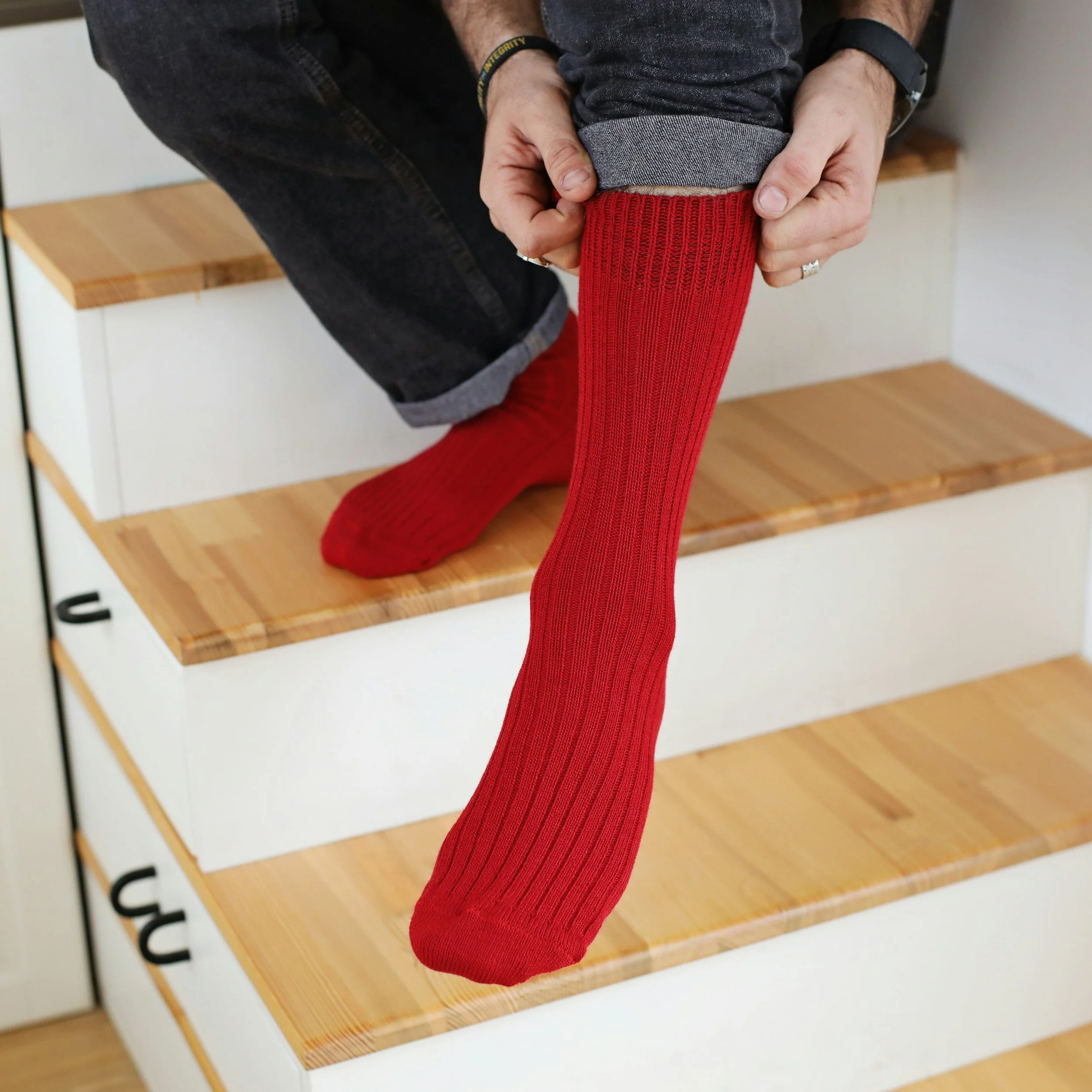
Legendary college basketball coach John Wooden has a famous instruction he gave to his players at UCLA, including hall-of-fame player Kareem Abdul-Jabbar; put your socks on correctly so you don’t get blisters.
Coach Wooden was trying to teach his players how to prevent an injury, but he indirectly taught them an important tool to deal with burnout: be present and in the moment.
For most of us, putting on our socks is just another mindless chore as we tick off the list of things we need to do to get ourselves ready for the day.
Today, some of us completely skip the socks and shoes as we are working from home through COVID-19.
But fall is coming, the chilly days will be here soon enough, and on the socks will go again.
If you’ll allow me to be literal and figurative for a moment, as we put on our socks, can we be more prescriptive and present while doing so?
This month, before we head into a busy fall and winter, let’s focus on:
Being present when we ideate.
Thomas Edison said “The best thinking has been done in solitude. The worst has been done in turmoil.”
During this era of turmoil throughout COVID-19, we are growing accustomed to the software and online services that make virtual brainstorming with others easier. It helps solve one problem but ultimately creates another. What about how we ideate? It’s been said, “the best thinking is done in the shower.” I don’t have scientific proof that’s true, but I agree with the sentiment. It’s a time in which we can process our thoughts with few interruptions.
When was the last time you brainstormed an idea with as few distractions as possible? No computer, no phone, no smartwatch, no television, no music. How novel, right?
My advice: schedule 30-60 minutes per week with no distractions for you to think about an opportunity you need to flesh out further or a problem you need to solve. By yourself!
This is important because we also need to focus on…
Being present as a trusted advisor.
Vanilla Ice’s “All right, stop. Collaborate, and listen” has another rewarding benefit other than his classic “Ice Ice Baby” 1990s song lyric. Examine your calendar this week. What’s the next meeting you have that you can truly be present in? By “present” I mean, no typing on the keyboard, no backchannel Slack conversations trying to figure out what the client is referring to, or any of the dozens of other ways we multitask during meetings. This time, you’re focusing on nothing else but the person on the other end of the mobile device or laptop. You’re listening intently, taking notes when necessary, but being present throughout.
None of this matters, however, if we are not…
…Being present for our health.
I’ve written in the past about walk and talk meetings, taking Zoom calls while exercising, or riding your stationary bike while watching (or giving) a webinar. Today, I am talking about a different form of exercise. This is about your mental wellbeing. Grant yourself 10 minutes per day to go on a walk, by yourself, with no form of electronics attached to you. Focus on all your senses. The perspective and energy you can gain from this are without rival.
Focusing on ourselves isn’t something that can just “wait until September,” “after COVID-19 goes away,” or “January 2021.” It’s something we can do now, will help with our family and our career, costs nothing and takes little time. The pressures will come and go in our personal and professional lives, but if we don’t take care of ourselves, those pressures will only compound.
Eleanor Roosevelt said it best: “You gain strength, courage, and confidence by every experience in which you stop to look fear in the face. You can say to yourself, ‘I lived through this horror. I can take the next thing that comes along. You must do the thing you think you cannot do.’”
Right now, we need simple solutions to live through the burnout of experiencing this horror of COVID-19. Look no further than examining how we’re spending our life and doing so with a little more care and attention that we have in the past.
We all put our socks on one at a time. Let’s take a few extra moments for ourselves next time we do so.

3 Daily Wellness Habits for the Remote Executive
Working from home seamlessly blurs the line between personal rest and professional obligation, drastically accelerating burnout. Remote executives can reclaim their mental health by implementing three daily habits: blocking 60 minutes of "no distraction" deep work, transitioning one meeting into a physical "walk and talk," and scheduling intentional connected check-ins.*
How can remote executives build healthy daily boundaries?
Working from home seamlessly blurs the line between personal rest and professional obligation, drastically accelerating burnout. Remote executives can reclaim their mental health by implementing three daily habits: blocking 60 minutes of "no distraction" deep work, transitioning one meeting into a physical "walk and talk," and scheduling intentional connected check-ins.
In January, I urged you to take time off. Fast forward six months. Today, COVID-19 has directly or indirectly impacted not only our time but our mental and physical health as well. My message from January still stands, however; we still need an escape from work. Taking a physical and mental break from our work this summer has never been more important. As we have all learned, home does not = a break/vacation.
While on deadline writing this column, there was this cute, tiny distraction who kept getting in my way: my 10-month-old sweet puppy Molly!
As much as I love to hang out with her, when Molly wants my attention it’s tough to focus on work. Who says no to such a sweet puppy, even on deadline!
Throughout the pandemic, I have evolved my mindset for the times when she tries to get my attention during the day. When I take time out to play fetch, rub her belly, and give her all the attention she deserves, I have focused on the benefits, not the burden. Ultimately, she expends a lot of energy so she can nap, I enjoy playing with her and my mental and physical state is improved!
My advice? Get a dog! Problem solved!
Ok, not so fast. As easy as it might sound to simply tell all of you to get a pet, that’s not practical or realistic.
However, what I CAN tell you is that you are in more control of your wellness than you realize.
If you do these three things EVERY DAY, you will continue to thrive in your career and spend quality time with your family while prioritizing your health and wellness. It’s a win-win-win!
First, identify your daily “no distraction” time. Is your calendar “open” all day, every day? If so, you are sending two messages:
1) “I am always here to help!” I understand! We are in public relations, a service industry. We want to be available! However, it leads to:
2) “I will prioritize everyone and everything over myself.”
We need to evolve past this self-perception that we aren’t doing our jobs if we aren’t available all the time. Setting boundaries will not only improve your health and wellbeing, it will show others that you are creating a standard for them to follow.
I recommend blocking off at least 30-60 minutes every day that can’t be used for meetings. Find the best time that you can benefit from no distractions.
Second, identify your daily “walk and talk” time. I recommend auditing the next five days of meetings that are scheduled. Identify one meeting per day that you can take as a walk and talk meeting, vs. sitting at your desk or conference room. Some of my walk and talks are for business, however many of my walk and talks are family time with my wife Christine and Molly to get outside and enjoy the fresh air. Our walk and talks are scheduled during business hours, yet it is sacred to our family. We only cancel or postpone in case of an emergency.
Your walk and talk meeting – whether it’s virtual or in-person - should be planned for and scheduled during the day.
Finally, identify your “connection” time. As an extrovert throughout COVID-19, it has been TOUGH for me not to be around people – so I’ve had to find new ways to stay social! Even with today’s sophisticated communications technologies, I have dug DEEP to stay out of the doldrums.
Throughout quarantine, I check in every few days with a select group of people. I block off 30 minutes at least 2-3 days per week to send messages. Recipients are a mixture of friends, current and former clients, former colleagues, and trusted advisors.
I ask how they are doing. They push me, I push them. They empower me, I empower them.
This has helped me immensely to stay mentally healthy through this time, and I guarantee I will stay connected with them this summer and beyond.

Crisis Leadership: Protecting PR Pros in the Remote Era
Managing relentless corporate crisis communications from a chaotic home environment requires unprecedented mental and physical resilience. To survive overwhelming pressure and avoid total burnout, public relations professionals must ruthlessly schedule non-negotiable breaks for deep work, outdoor sunlight, and strict daily cutoff times.
How can PR professionals protect their mental health during a global crisis?
Managing relentless corporate crisis communications from a chaotic home environment requires unprecedented mental and physical resilience. To survive overwhelming pressure and avoid total burnout, public relations professionals must ruthlessly schedule non-negotiable breaks for deep work, outdoor sunlight, and strict daily cutoff times.
It’s 8:00 a.m. but already feels like Midnight.
You’re about to join your first of five (or more!) video conference calls today.
You’ve been up since 4:00 a.m. but haven’t eaten yet.
You thought you had time for breakfast but that urgent email you received at 6:30 a.m. has taken over your life.
Your kids are driving you crazy and aren’t going anywhere.
You’re about to start the 8:00 a.m. call when you realize, “I’m still in my sweatpants”!
It’s ok. Judge the sweat, not the sweatpants.
This is not the time for me to tell you how to set up lighting for video conference calls, or what clothes to wear, or share my list of favorite standing desks.
This is about acknowledging YOU and what YOU are doing.
I am YOUR cheerleader today.
I see the blood, sweat, and tears that you are pouring into your work every day.
I read it in the press releases, the company updates, the social media posts.
You’re creating tight, concise messages that are helping your audiences feel informed, calm, heard.
You’re using well-developed crisis plans.
You’re rewriting those plans.
You’re throwing those plans out the door.
You’re commanding trust and respect as you pour sweat into your work fighting people with big egos who are thinking more about their legacy than the message that needs to be delivered.
You’re putting on the brave face and ensuring your employees that their voices are being heard, while you are an employee yourself.
You’re responding to stressed and overworked reporters who are constantly asking for updates.
You’re showing compassion for your colleagues, your teams, your bosses, your directs who are dealing with difficult situations at home.
And you’re doing all this from home, running a family, managing tight quarters and trying to manage YOURSELF.
What you are doing requires the sharpest mental and physical strength you have.
You are prepared for this. You are prepared to lead.
All this said: please put on your oxygen mask first.
I need you to three things, every day.
First, you need to PLAN your alone time. The Slack notifications, the IM messages, the constant pings. You need time during the day to think! Allocate whatever time you can, even if it’s 15 minutes, for your personal “No Contact Zone.” Block this time in your calendar.
Second, you need to PLAN your outside time. Find a couple of hours per week during the WORKDAY that you can dedicate to being OUTSIDE. Find SUNSHINE. Block this time in your calendar.
Third, you need to PLAN your work time. It’s very easy to start logging on when you wake up and constantly work until you go to bed. Set (some) boundaries! Set a reminder on your calendar or an alarm on your phone.
I have never been prouder of our industry than I am today.
We are in this together.
Thank you, everyone, who are pulling those LONG days, nights, and weekends to ensure you, your organization, your clients, your teams are set up for success.
Show grace. Give grace.
Finally, you have permission to wear whatever you want.
Judge the sweat, not the sweatpants.

The ROI of Taking Your PTO and Mental Health Days
Driven by a toxic fear of optics and the expectation of 24/7 client availability, a staggering 80% of public relations professionals fail to use their earned paid time off, directly suffocating their physical health. Executives must fundamentally shift agency culture by viewing PTO as untouchable total compensation, pre-scheduling annual vacations, and normalizing the use of sick days for immediate mental rest.*
Why do PR professionals refuse to take their paid time off?
Driven by a toxic fear of optics and the expectation of 24/7 client availability, a staggering 80% of public relations professionals fail to use their earned paid time off, directly suffocating their physical health. Executives must fundamentally shift agency culture by viewing PTO as untouchable total compensation, pre-scheduling annual vacations, and normalizing the use of sick days for immediate mental rest.
I am imploring you, my fellow public relations professionals, to take time away from work and make it your number one priority in 2020. This is in our control and desperately needed if we are to continue to advance the public relations profession and professional.
According to research from the U.S. Travel Association, “more than half of Americans (55%) are still not using all their paid time off…In 2018, American workers failed to use 768 million days of PTO—a 9% increase from 2017.”
Looking closer at public relations, I am working in conjunction with Elizabeth Candello, Ph.D., Integrated Strategic Communication Professor, Washington State University Vancouver, on a health and wellness study in our industry. One of the areas of interest is in how many people in our profession take all their paid time off and sick time. Only 20 percent of respondents said they took all their earned paid time off and sick time.
Several factors may lead to this issue.
• We’re too busy to prioritize ourselves.
• We forget to take time off.
• We are afraid of optics.
• We are afraid of what our bosses might think.
• We don’t trust our teams enough to leave them on their own.
• Our manager won’t approve the time off.
• Our clients won’t understand and expect us to be available 24/7.
• We think that mental sick days don’t count (NOTE: they do!).
I witnessed these perceptions a lot throughout my career. Colleagues who are overworked and not prioritizing themselves don’t take time off. Then the end of the year comes, they realize they have a lot of unused vacation time they have to take and are unable to do so. Not taking our deserved time off impacts our physical and mental health, both of which are essential to reduce stress and thrive in our profession.
How do we solve this? It won’t happen overnight, but I have three ideas that are within our control today.
1) Shift our mindset. We are being paid not to work. We have earned this benefit along with our salary, health insurance and other perks that are included. This is a part of our total compensation.
2) Schedule your PTO for the next 12 months NOW. I used to do this when I was in the agency world, and although it seems a little strange, it helps you down the road to ensure you’re taking a vacation. Of course, things may come up that require you to move your time off out or up a week, however, I’ve found that is the exception and not the norm.
3) Taking a mental sick day counts! We need to change the way we think about sick days. No longer should they include physical health. We need to think about taking dedicated time to rest our brains!
My final ask is to please make your health and wellness a priority this year. We must be mentally and physically strong to live through our profession. That starts with being proactive and prescriptive with our time away. Plan this now before the year runs away.