

The 150-Minute Rule: Getting Paid to Think Outside
Executives are paid for their strategic thinking, yet constant notifications trap them in a reactive cycle. Committing to 150 minutes per week of intentional, outdoor "thinking time" deeply stimulates creativity and solves complex business challenges without the distraction of a screen.
How does dedicated thinking time improve executive performance?
Executives are paid for their strategic thinking, yet constant notifications trap them in a reactive cycle. Committing to 150 minutes per week of intentional, outdoor "thinking time" deeply stimulates creativity and solves complex business challenges without the distraction of a screen.
We get paid to think, not just do.
Unfortunately, most of our time is spent on instinct, based on years and years of experience. Meetings, emails, constant notifications, conflicting deadlines, and eager customers block us from doing true deep thinking.
On top of that, I often hear from people who are battling upper body injuries from sitting at their desk all day. Not good!
Being outside and one with nature is critical to our well-being. Studies show we feel better, sharper, and more creative by being outside.
So, as we head into springtime, let’s spend time around green grass, large trees, and luscious parks. But it’s one thing to simply say “go outside.” I understand the daily stresses and realities of our profession. That’s why I want to help us spend our workdays outside with intention.
Your challenge is to allocate 150 minutes per week – 30 minutes Monday-Friday - to get outside and get paid to think.
Some of you might want to play it by ear to determine what you’ll be thinking about. Perhaps you need to just vent to yourself, and that’s ok! However, some of you might need some prompts. Here’s an example of how to use your time outside to get some great thinking done.
Monday: What do you want to learn this week, and what are the steps you’ll take to do so? Since professional development is typically lower on the priority list, this gives you the chance to process in real-time what you want to learn.
Tuesday: What’s a challenge you’re eager to tackle? Perhaps you’re processing how to bring a new idea to an executive, or you need some new story angles to pitch media. Getting outside will help stimulate new ideas.
Wednesday: Who is someone you want to connect with and learn from? Since public relations is a relationship business, it’s important we’re constantly connecting with new people. But we also need a strategic approach so we’re meeting the right people at the right time. Who is one person you want to connect with this week, and for what purpose?
Thursday: Who is someone you want to help this week? Paying it forward is good for our well-being as well. Is there someone in your network looking for a new job, career change, or shared a challenge with you? This is a chance to do some deep thinking on how you can be of service.
Friday: What is something you’re proud of this week, and why? Often, we forget great work we’ve done over the course of a year. This gives us time to write down key milestones so when it’s reviews time, or awards season, or you’re interested in updating your resume or LinkedIn profile, it’s much fresher.
In just 150 minutes per week, you can get some movement in, and some real work done that will help you and those around you.
Please let me know what challenges you’ve solved this spring as a result!

A Strategic Approach to Rebuilding Remote Company Culture
With only 28% of remote employees feeling connected to their organization's mission, companies are facing a severe culture deficit. To rebuild trust, leaders must aggressively evaluate three critical relationships: the employee-manager dynamic via honest 1:1s, immediate team cohesion through bi-annual strategic reviews, and broader cross-functional engagement.
How can organizations build a strong team culture for remote employees?
With only 28% of remote employees feeling connected to their organization's mission, companies are facing a severe culture deficit. To rebuild trust, leaders must aggressively evaluate three critical relationships: the employee-manager dynamic via honest 1:1s, immediate team cohesion through bi-annual strategic reviews, and broader cross-functional engagement.
You, my public relations friends, are in a powerful position to play a significant role in influencing and defining company culture.
Whether we’re working from home 100 percent of the time, in a hybrid situation where you may or may not meet your team in person, or some other agreement with your company, how we work today and, in the future, will constantly evolve.
The data shows there’s a disconnect with remote employees. Gallup states, “28% of exclusively remote employees strongly agree that they feel connected to their organization’s mission and purpose.”
But what does this mean for you and your team?
As public relations leaders whose job is to build relationships, this is our opportunity to shine! No other profession has the skills and experience to help companies redefine their culture. Companies with a strong and understood culture will retain their employees and see an increase in productivity, trust, and rapport, reducing turnover and improving business results.
A new look at company culture should be addressed in three areas:
- Your relationship with your manager
- Your relationship with your immediate team
- Your expanded circle of engagement and influence
Let’s break this down.
First, and this is no surprise, your relationship with your manager will significantly impact your opinion on the company culture. They are the ones who, ideally, think about the role you play in the business and you as a person. They understand you’re a human, not a robot, and will have peaks and valleys. As an employee, you will realize the same about your manager. This relationship has a direct impact on your relationship with the company.
To do: At least once per quarter, have a focused 1:1 conversation with your manager about your experiences at the company. The discussion should relate to broader themes of your relationship with the business. These can be positive experiences to share with others in the company or constructive feedback to share with stakeholders and, if necessary, human resources.
Second is the relationship with your immediate team. This team is likely those you spend at least 50 percent of your time with daily. Along with your manager, this group will influence how you feel at the company.
To do: Every six months, host a conversation with your team to best determine the relationship between the workstream and the overall business. How does your team feel about its standing with the larger business? The conversation will illuminate adjustments to be made or examples of what’s working very well.
The third is your expanded circle of engagement and influence. These could be clients, executives, board members, or other publics you spend time with regularly. This group could be the most exhausting! This is why ensuring you have strong relationships with your manager and your immediate team is critical, as they will be essential to helping round out your employee experience.
To do: when appropriate, have causal conversations with select members of this group to solicit how they define great culture within the company. Often, people will respond, “I love the people here.” While this is a great, positive response, I often look to garner specific examples. Put on your story mining hat and solicit more details to help shape the responses.
Finally, harness the information you receive to help prospective employees you’re hiring better understand what life is like at your company.
Company culture is multi-faceted and primed for the public relations profession to play a leadership role. I cannot wait to see how this industry continues to lead the way.

Why Strength Training is the Executive's Ultimate Mental Edge
Relying solely on cardiovascular exercise ignores massive neuro-cognitive benefits. Incorporating just 15 minutes of strength training into a weekly routine using a kettlebell or weighted vest drastically improves an executive's sleep quality, mental sharpness, and emotional resilience.
How does physical strength training impact executive focus?
Relying solely on cardiovascular exercise ignores massive neuro-cognitive benefits. Incorporating just 15 minutes of strength training into a weekly routine using a kettlebell or weighted vest drastically improves an executive's sleep quality, mental sharpness, and emotional resilience.
The amount of wellness marketing we receive at the start of every year focuses greatly on cardio and diet. As you wake up in February and look for more inspiration to help your mind and body, I want you to consider something different.
Strength training.
A consistent strength training regime is essential to keep our bones healthier and our joints stronger. My sleep quality improves at least 30 percent when I do consistent strength training in the morning. My mood is better. My focus is sharper.
And these are just the short-term benefits.
Researchers have found a 10 to 20 percent reduction in the risk of early death from all causes and from cancer and heart disease specifically — occurred when people did approximately 30 to 60 minutes of muscle-building workouts per week.
If you’re interested in some ideas to incorporate strength training for minutes a day, there are three things I want you to buy. As a collective, these items can cost under $100. And yet, when used consistently, it will give you priceless benefits to your health.
The first is a weighted jump rope. Jump ropes by themselves are a tremendous cardiovascular tool, but when combined with weights, they are incredibly powerful. Starting with a one-pound weighted jump rope – a LOT heavier than you think - will do wonders for your arms and core. If you’re a frequent traveler, there are even rope less weighted jump rope options to pack in your luggage and use in your hotel room or gym.
The second is a weighted vest. These are wonderful, low-impact options to help burn more calories by adding resistance. As we head into springtime soon, use a weighted vest while working from home during your walk and talk calls! These vests come in various colors and sizes and have scalable weight options. Ensure you’re adjusting the vest and feel comfortable wearing one before long walks.
The third is a kettlebell. Kettlebells are magical devices for the best all-around strength and cardio workout. 10 to 15 minutes with a kettlebell two to three times weekly will work wonders for you. Kettlebells also come in various weight sizes and colors, so start with lower weight and adjust as needed; there are even kettlebells with adjustable weights. I highly recommend speaking with a certified kettlebell coach who can help you with the proper form and technique. And, again, if you’re a frequent traveler, sometimes hotel gyms don’t have kettlebells. Don’t fear! You can purchase attachments to pack so you can use regular dumbbells as kettlebells.
Before starting any strength training program, please ensure you use the proper form and techniques. Find a local personal trainer or resource online to learn how to use these products. Ensure you’re spending at least 5-10 minutes per exercise to properly warm up and cool down. Also, ensure you boost your protein intake to repair your muscles faster. Finally, when starting your strength training, give yourself a few days to overcome those early-onset aches and pains. Your muscles are waking up and will take time to recover. They will!
In no time, you will not only see the changes to your mood and sleep but also notice your clothes feeling better.
Please let me know what steps you’re taking in your physical health journey!

Overcoming the Mental Toll of Professional "Ghosting"
Due to shifting priorities and digital overload, professional “ghosting” is an inevitable part of the modern relationship business. Instead of taking silence personally, executives must practice radical empathy, gracefully let go of unresponsive contacts, and intentionally focus their energy on clients who prioritize mutual communication.
How should public relations professionals handle professional ghosting?
Due to shifting priorities and digital overload, professional “ghosting” is an inevitable part of the modern relationship business. Instead of taking silence personally, executives must practice radical empathy, gracefully let go of unresponsive contacts, and intentionally focus their energy on clients who prioritize mutual communication.
This year I want us to reframe a critical challenge in the public relations industry that impacts our well-being: ghosting.
In this evolving remote and hybrid “out of sight out of mind,” world, it’s never been easier to suddenly disappear from professional relationships.
From media contacts who suddenly go dark, to prospective clients whose priorities are shifting, to prospective employers to suddenly are hiring from within, to employees who quit without warning, we’ve all been ghosted at least once in our career.
According to research by The Thriving Space on Psychology, “More than 2 in 5 have been ghosted by a prospective employer…and 1 in 4 admitted to ghosting a workplace by quitting without notice or explanation.”
Because this is a relationship business, it can feel jarring when suddenly an ongoing communication with someone ends without proper closure. I’m blessed the vast majority of people I’ve connected with throughout my career never ghost, but like all of us, it happens.
For those of us who are entrepreneurs and running your own business, it can feel particularly challenging with no one else to commiserate with about the specific situation.
It’s taken me a while to not take ghosting personally, but last year, I had a big mental shift in how I think about this issue.
A new level of empathy is required to dig deep into the perspectives of where people are at.
Sometimes, people who have fallen silent suddenly reappear, apologizing for being busy with work, dealing with personal matters, or frankly feeling overwhelmed with responding to people (including me).
Ultimately, they have had to reprioritize their life, and knowing that has helped me understand why I haven’t heard from them.
All this said, attempting to achieve this level of empathy has its own risks. If not properly checked, moving down someone's priority list – personal or professional - can impact one’s well-being.
The mindset shift I’ve had recently is – because I can’t control the decisions of others - I am choosing to no longer spend my energy on those who are suddenly unresponsive.
I’m also choosing not to take this personally. I’m choosing to give grace.
Life is too short to focus on those moving you down their priority list.
Focus on your priority list!
If you think you are a frequent ghoster, please do me a favor today: reach out to someone and thank them for their patience. They will appreciate your note! It’s never too late to revise and rebuild a relationship gone dormant.
If you find yourself as a ghostee, don’t be afraid to check in again in a month or two before moving on with grace and empathy. And you never know; you might be surprised when you hear from them again.
This is also a great time to recognize those who are responsive. In our profession, it’s a challenge to make time to manage and grow all our relationships. Send a quick note to a few people today and thank them for making time for you.

The Ted Lasso Guide to Empathetic Leadership and Employee Departures
How should leaders handle top-performing employees resigning? Great leaders recognize that high-performing employees will eventually move on to new challenges. By responding to resignations with radical empathy and support—rather than frustration—leaders protect their own mental health and permanently secure their reputation as a world-class mentor.
How should leaders handle top-performing employees resigning?
Great leaders recognize that high-performing employees will eventually move on to new challenges. By responding to resignations with radical empathy and support—rather than frustration—leaders protect their own mental health and permanently secure their reputation as a world-class mentor.
Oxford Dictionary defines empathy as “the ability to understand and share the feelings of another.” The last few years have shed light on the importance of experiencing empathy and appreciating those who show it to us. There are numerous examples of leading with empathy, but leave it to an episode of the award-winning television series “Ted Lasso” to deliver a fantastic piece of empathic leadership advice and its positive impact on our mental well-being. “Ted Lasso,” a comedy-drama show about an American football coach who overnight becomes a manager of a Premier League soccer team in England, touches on leadership in a surprising way for such a show steeped in laughs.
One example is when the club’s marketing and public relations manager (Keeley) is nervous to tell her boss (Rebecca) she is leaving the organization to start her own firm. Throughout the show, Rebecca gave Keeley more responsibilities, which ultimately led to going out independently.
Before telling Rebecca this news, Keeley spoke with a trusted advisor and another senior member of the organization (Leslie). When Keeley mentioned how nervous she was to tell Rebecca, Leslie shared a valuable lesson. “A good mentor hopes you will move on,” Leslie said. “A great mentor knows you will.” And when Keeley ultimately told Rebecca she was leaving, Rebecca couldn’t have been more excited for her. She knew it was time for Keeley to move on.
Great leaders know that great employees will move on to different challenges at some point and are mentally prepared to handle the news. They can understand and share their feelings about how and why their employees made that decision. This is a sign of empathy and one of many examples we see from “Ted Lasso” on the importance of seeing the perspectives of others.
According to recent research, “possessing empathy is crucial for good mental health as being able to connect with others and share enough of yourself to feel connected in return adds immeasurably to relationship happiness.” Today, employees are showing more confidence in how they want to advance in their careers. Leaders, despite all your best efforts, your best employees will at some point hand in their notice.
How you respond and how your company responds and treats your employees when they leave is the impression THEY will have of your company and YOU. And for the remainder of their career, they will only remember how they felt when they left.
Empathy enables us to give and receive grace, have honest conversations with our employees (and our bosses) about our human experience at work, and encourage improvement and growth.
Demonstrating empathy will have a lasting impact and help shape your relationships for years to come.
As I say to employees who leave, I give the same advice to employers and leaders: take the high road. Your employees will never forget how they were treated when they left.
By the way: watch “Ted Lasso.” It’s truly worth your time.

The Quiet Discipline Behind Major Executive Achievements
The legacy of winning a major industry award or achieving massive weight loss is never the final headline. It is the unglamorous, solitary journey of early mornings, dietary discipline, and quiet resilience—proving that true well-being and success are built when no one is watching.
How do executives actually achieve massive professional results?
The legacy of winning a major industry award or achieving massive weight loss is never the final headline. It is the unglamorous, solitary journey of early mornings, dietary discipline, and quiet resilience—proving that true well-being and success are built when no one is watching.
The legacy of winning a significant PR award like a Bronze or Silver Anvil isn’t just in the quantifiable metrics. Or the headlines. Or the executive kudos.
It’s the planning. The last-minute changes. The managing of egos. The delay. The acceleration. The blood, sweat, and tears.
These are often the aspects of the process most people forget about.
It’s not talked about at the award ceremony. Or in the celebratory social media post. But it’s what you remember most when you hold the award.
And that’s the same when it comes to changes to our well-being. In my case, that was my 150-pound weight loss journey that started on a dark December Friday night in 2007.
The changes were one at a time. It was shifting breakfast options. Exercising a few more times weekly and not eating so late at night.
But no one was watching to monitor me. No one was waking me up at 5:00 a.m. to work out. No one was telling me to swap sugary mochas for green tea. I was on my own.
But that’s what I remember most about the journey. Not the compliments. Not the after photos. But the journey.
And that’s what I want you to think about as you think about as we head into the holiday season. Start the journey now. Not Monday. Not January 1. Today. Because I am Exhibit A any positive change to your well-being is an extraordinary journey. And you want to experience those memorable journeys as soon as possible.
So, no matter what change you want to make for your well-being, there’s no reason to wait for the New Year. Are you looking to save a few more dollars, lose a few more pounds, or gain more sleep? Start today, and in 60 days, you will feel so much better and so proud of the decision you made at this very moment.
Most of all, you’ll look at specific days and reflect on how the choices you made had an impact.
Remember, it’s the journey, the process, not the result, that you will remember most.
The journey starts with you. You’re the author of your story; pick up your pen and get writing!

Why Every Public Relations Professional is a True Influencer
While social media "influencers" chase fleeting trends, public relations professionals exert lifelong, authentic influence over the next generation of communicators. Executives must recognize that their daily actions, career pivots, and ethical leadership quietly establish the benchmark for hundreds of observing professionals.
How does authentic executive leadership influence the PR industry?
While social media "influencers" chase fleeting trends, public relations professionals exert lifelong, authentic influence over the next generation of communicators. Executives must recognize that their daily actions, career pivots, and ethical leadership quietly establish the benchmark for hundreds of observing professionals.
Our profession has incredible highs – the prominent media placement, the new business win, the Silver Anvil. At times, however, it can be mentally draining. From long days to sleepless nights, our brains are working overtime to help meet the objectives of our businesses and clients.
One of the ways in which we help overcome this is a typical mindset shift: “It’s PR, not ER.” While this mindset shift can help at times, I want to share and remind ourselves that what we do and how we work has a profound impact on those beyond who we know.
We are Influencers. Big I. Not “influencers” we see on our social media channels. But real, authentic leaders who have a lasting, lifelong impact on those we work with every day.
Are you a new Account Executive at a PR firm? Dozens, if not hundreds, of college students and brand-new pros look up to you. They’re checking out your LinkedIn profile, wanting to be you one day, nervous to message you and ask if you could mentor them as they start their journey.
That’s Influence. Capital I.
Are you a new Chief Communications Officer for a Fortune 500 company? Are you experiencing a little imposter syndrome, perhaps (we all do!)? Just know you have a following who are in awe of your progression, would read any book you write, and do anything for a few minutes to learn about your journey because they want to be you in 5, 10, or 15 years.
That’s Influence. Capital I.
Have you recently shared on LinkedIn about your new consultancy? It’s nerve-wracking, isn’t it? I remember those days! There are so many people you inspire with your story who want to be brave and bold enough to go out on their own. They might reach out to you in a few weeks or months. “How did you do it?” they’ll ask.
That’s Influence. Capital I.
Are you a public relations professor, ever wondering what the lasting impact of your courses will have on your students? Know that what you’re saying will not only have a short-term impact, but a lifelong one as well. I know my PR professor literally changed the course of my personal and professional life.
That’s Influence. Capital I.
This is what we don’t realize. That we influence people. This is not to put pressure on ourselves but to set the context and boost our spirits that what we do matters to businesses and those who aspire to be us one day.
In a world of social media influencers touting tailored products and experiences, be a true Influencer.
Capital I.

The Critical Need for Formal People Manager Training
An astonishing 83% of new people managers receive zero formal leadership training, instantly accelerating executive burnout across the public relations industry. To protect their well-being, new leaders must fiercely prioritize their physical health over new titles, redefine communication as a critical hard skill, and establish safe peer learning communities
Why do new people managers instantly experience executive burnout?
An astonishing 83% of new people managers receive zero formal leadership training, instantly accelerating executive burnout across the public relations industry. To protect their well-being, new leaders must fiercely prioritize their physical health over new titles, redefine communication as a critical hard skill, and establish safe peer learning communities
I recently polled nearly 400 new people managers in the public relations profession. When asked if they received formal manager training, I learned only 17 percent have, while 83 percent received informal or zero training.
It’s no wonder why the people manager is the most challenging position in our profession. We don’t know how to be one.
And because we don’t know how to be one, we get overwhelmed and burned out, impacting our well-being and those we manage.
Reflecting on my career, I realized I lacked formal management training. I had great managers to model and follow, but as I examined times I learned tough lessons, many were due to a lack of education in several areas that I should have learned much earlier.
We need to address proper training of new people managers in a relatable, practical, and actionable way so they can immediately develop into trusted advisors for their clients and teams.
If you’re a new people manager or responsible for helping build a new group of people managers, please take these three tips to heart.
New titles, money, and responsibilities should never come at the cost of your well-being.
Your well-being is always paramount to any updated title or list of responsibilities. Often, we take on new challenges with a positive mindset, which is great until the nights are longer and the weekends are shorter. We feel guilty about taking a vacation, and those back-to-back all-day meetings are more the standard than the exception.
You are no good to your clients and teams if you’re well-being isn’t at 100 percent, and most importantly, it’s no good to you.
There are no “soft” skills, only “skills.”
Often we think about skills like “teamwork,” “communication,” “time management,” as “soft skills.” This is an inaccurate phrase that deemphasizes the importance of these skills to the well-being of the employee and business. The assumed “traditional” skills like writing, presenting, and creating spreadsheets mean nothing if you are unhealthy.
We need to call all these activities simply skills and weigh them as crucial as any other skill.
We must share and learn from one another.
It’s ok not to have all the answers. Many of us don’t!
Being a leader can be a lonely experience. Even with all the training, it’s nothing if there isn’t an environment where people can learn and share ideas safely.
Find a group of peers, whether in your organization or through other avenues, to formally connect with regularly. Share ideas and be vulnerable. You’ll be surprised how much you’ll hear about others going through the same challenges.
So, ask yourself: are you in the 17 or 83 percent? And if you’re in the 83 percent, what steps will you take soon?

The 15-Minute Meeting Audit: Reclaiming Your Executive Calendar
Mindless recurring meetings are a primary driver of corporate burnout and late-night catch-up work. Executives can instantly reclaim hours of productivity by performing a quarterly "Meeting Audit"—ruthlessly converting 60-minute updates into 30-minute deep-dives and transitioning video calls into audio-only conversations.**
How can an executive effectively audit and reduce unnecessary meetings?
Mindless recurring meetings are a primary driver of corporate burnout and late-night catch-up work. Executives can instantly reclaim hours of productivity by performing a quarterly "Meeting Audit"—ruthlessly converting 60-minute updates into 30-minute deep-dives and transitioning video calls into audio-only conversations.
“Mark, I’m in meetings all day, so I finally have a chance to work at night.”
My heart sinks every time I hear this from a colleague.
Meetings are a necessity in the public relations profession. They’re also a potentially significant time sink that, when not micromanaged, can impact our well-being.
The meetings we participate in should be prescriptive. Attendees should feel like it was a valuable use of their time, decisions made, and clear actions taken.
Too often, we default to scheduling a meeting. And yet, how many times have we heard, “That meeting could have been an email?”
As I was writing this column, I spoke with an executive who told me about the impact of frequent and unnecessary late-night meetings they used to participate in and the permanent effect it took on their personal life.
Meetings should not be playing such a role!
With some work, I think we can make a long-lasting impact on our personal lives and careers.
As we head into the fall, this is a great time to take 15 minutes to make a list of all your recurring meetings. These can be daily, weekly, bi-weekly, or monthly meetings of all facets: 1:1s, team, partner, and client.
As you assess these meetings, ask yourself:
- Do I understand the purpose of these meetings?
- How often are these meetings moved or canceled?
- What is my role in these meetings? If I’m running these meetings, are the right people in the sessions? If I’m not running these meetings, what’s the level of value in participating?
- Is the length of these meetings appropriate?
- Do these need to be on camera, or can they be audio-only?
- Is the style of these meetings valuable? If I have several “status” meetings, should I evolve these meetings to focus less on project status – which can be communicated through software - and more on decision making?
- What is the value of the 1:1 meetings I have with my manager and those I’m managing? Am I discussing topics that better my/their relationship and career, or are they project status conversations?
I conducted my audit recently and noticed I have defaulted to too many 60-minute meetings for introductory and networking calls. I’ve adjusted these to 30-minute video calls for initial meetings, with audio calls for subsequent follow-ups.
This 15-minute exercise can save you hours to exercise, meal prep, or spend time with friends and family!
Consider conducting a meeting audit every quarter. Set a calendar reminder to rerun this in November to prepare you for a busy holiday season.
On a related note, there are times when you might be thinking, “This email thread is too confusing; let’s get on the phone!” If after three attempts to clarify a conversation topic are unsuccessful, I encourage you to pick up the phone and discuss the issue.
I look forward to hearing from you about the adjustments you’ve made and the impact on your life.

Attaining Buoyancy: Reclaiming Your Optimism at Work
The relentless pressure of brand protection and crisis management constantly threatens a public relations professional’s mental health. By rigorously setting boundaries against 10-hour work sprints and deliberately modeling healthy vacation habits, executives can reclaim their professional "buoyancy"—an optimistic, resilient disposition.
How can PR professionals attain "buoyancy" and optimism?
The relentless pressure of brand protection and crisis management constantly threatens a public relations professional’s mental health. By rigorously setting boundaries against 10-hour work sprints and deliberately modeling healthy vacation habits, executives can reclaim their professional "buoyancy"—an optimistic, resilient disposition.
It’s a warm Tuesday morning in the middle of summer. You’ve given yourself the flexibility to have a little rest and relaxation in-between meetings and deliverables. It’s just you on a giant flamingo float in a swimming pool. Suntan lotion applied, sunglasses on, drinks in hand as you tune out the world and tune into how you’re feeling. Positive, upbeat, energized.
You’re attaining – literal and metaphorical - buoyancy.
Lately, I’ve been fixated on the word buoyancy. Typically, we think about the word in terms of floating or as it relates to the economy or stock market. But I’ve been focused on a third definition: “an optimistic or cheerful disposition.”
At times it’s a challenge to be optimistic or cheerful. Many challenges are thrown at us as public relations professionals, parents, children, friends, volunteers, and other groups close to us. For some of us, our jobs are about sharing positive messages with our publics. For others, we’re brand protectors. For others, it’s to handle crises every day. The diversity of our work is one of many things I love about our profession.
At the same time, our work can and does impact our well-being. Whether it’s the long hours, the people we work with, or the work itself, it can be emotionally, mentally, and physically draining.
In this Strategies and Tactics issue focusing on health and wellness, you’ll read articles giving you many great ideas on prioritizing your well-being.
As you go through the ideas in the issue, please consider how taking action will help you this summer and beyond attain buoyancy. Examples might include:
- How to set boundaries so you’re not working 10 hours straight without a break.
- Taking actionable steps to build trust with your key stakeholders so you feel confident you can be away without fear of retribution.
- Feeling empowered to look for a new job or take on a new set of clients you advocate for.
- Creating a mindset of how your actions – whether it’s taking a vacation or prioritizing your mental or physical health - show up in front of your family, friends, bosses, colleagues, and clients.
- Learning how to help the next generation of PR professionals become trusted advisors while at the same time protecting their well-being.
My goal for you this summer is to use the great lessons in this issue to find your path to attaining buoyancy.
Please reach out this summer and let me know the steps you’re taking to prioritize your well-being.
In the meantime, have a safe, healthy, and buoyant summer!

The Most Underrated Phrase in Executive Leadership
Nearly half of all employees experience severe anxiety before routine 1:1 meetings due to a lack of communication from their leaders. Managers can instantly eliminate this anxiety and build deep trust by deploying the phrase “and here’s why”—guaranteeing immediate context is provided alongside all constructive and positive feedback.
How can managers reduce employee anxiety during 1:1 meetings?
Nearly half of all employees experience severe anxiety before routine 1:1 meetings due to a lack of communication from their leaders. Managers can instantly eliminate this anxiety and build deep trust by deploying the phrase “and here’s why”—guaranteeing immediate context is provided alongside all constructive and positive feedback.
The most important relationship in an organization is between the manager and the employee. This relationship ultimately makes up a large majority of one’s employee experience. Think about your career and the experiences you had. A lot of those memories come down to how someone managed you.
My experiences with my direct managers throughout my PR career are the primary memories – good, bad, or indifferent - at those companies.
Today’s evolved work environment has changed how these relationships are built. I was fortunate to meet every manager in person throughout my career. In today’s era, that might not be the case. Employees may spend their entire time at a company never meeting their manager in person.
It’s a significant shift in how we build trust and rapport and deliver feedback.
Leaders in recent years have been focusing on improving the value of 1:1 meetings, including the frequency and length.
However, we also need to address uncertainty. Recent data suggests people are nervous about talking to their managers. In a study by Humu, 49 percent of employees feel anxious before 1:1 meetings with their manager.
One way to alleviate the stress is to focus the meetings as less transactional (e.g., status reports) and more constructive and conversational (e.g., quality of work).
A constructive and conversational approach to 1:1 meetings is essential during difficult conversations.
One example: think about times throughout your career you received harsh feedback. Examples might include:
- “We’re taking you off the account.”
- “I had to rewrite your plan.”
- “You’re not getting promoted yet.”
Throughout my career, I’ve heard stories about people’s heightened stress and anxiety levels, not just because of the content of the feedback but even more so the lack of context.
This is why we need to consider using the most underrated phrase in leadership:
“And here’s why.”
When delivering a difficult message, include the context.
- “We’re taking you off the account, and here’s why…”
- “I had to rewrite your plan, and here’s why…”
- “You’re not getting promoted yet, and here’s why...”
This is essential when giving positive feedback as well.
- “We’re giving you a bonus, and here’s why…”
- “Here’s an extra-paid day off. Thank you for your work, and here’s why…”
- “We’re giving three months additional fully-paid parental leave, and here’s why…”
Evolving your 1:1 conversations and taking a few extra moments to share context will reap enormous rewards for those you manage, ultimately making you a more respected and impactful leader your employees will want to emulate.
Speaking of taking a few extra moments: I think you are all fantastic PR leaders and trusted advisors, and here’s why: with little fanfare, you are helping to build essential relationships to support the missions of companies and organizations you care about. You’re doing so often understaffed, under-supported, and under pressure with constant challenges from leadership who constantly ask to show your value. I know your worth. I see your worth. Thank you for all you do!

5 Leadership Communication Strategies That Boost Employee Well-Being
Employees who perceive their leadership as transparent boast a 12x higher job satisfaction rate. By dramatically increasing communication frequency, cutting jargon, and keeping updates under 100 words, leaders drastically reduce workforce anxiety and build systemic psychological safety.
How does executive communication impact employee mental health?
Employees who perceive their leadership as transparent boast a 12x higher job satisfaction rate. By dramatically increasing communication frequency, cutting jargon, and keeping updates under 100 words, leaders drastically reduce workforce anxiety and build systemic psychological safety.
Data shows employees who perceive their companies as transparent have 12x greater job satisfaction than those with the opposite perception. And greater job satisfaction impacts overall well-being.
But what do companies need to share with employees? Recent survey data from Axios of more than 1,000 people about workplace communications suggests employees want to see leaders send more thoughtful and insightful details, with more frequency and consistency.
Here are five practical and actionable ways for leaders to help reduce stress and anxiety across your organization.
1) First, ask your employees how they like receiving information. Some employees may not have access to a computer all day, so how will you reach them? Does your company centralize its employee communications, and if so, to what effect are your employees accessing those channels?
2) Emphasize the impact of information sharing. Often, we are the translators between executives and employees. Your C-suite is thinking one quarter and yet 3-5 years ahead. They are constantly speaking with customers, other industry leaders, and members of the public sector, all while ensuring the right balance between the needs of their employees and meeting the business objectives. This knowledge can ultimately benefit employees, which will help the company. To start, ask for 15 minutes once a month with your executives as part of a story-mining session to learn the three most insightful things they have learned.
3) Be more frequent. If your executives are going months without meeting with their employees, the perception is that there is something to hide. Increase the frequency and start small. If your executives meet with employees quarterly, recommend expanding to twice per quarter.
4) Communicate shorter, jargon-free, and impactful. Help your executives practice keeping their messages tight and understandable. Our role is to help them use words to communicate so employees understand, not impress with unnecessary vocabulary. For emails or newsletters, research suggests keeping them between 75 and 100 words. Will your audience understand your message within seconds? That’s the test!
5) Be more consistent. The more consistent executives share their messages with their employees, the better. This includes the communication style and channels your executives will use. And executives shouldn’t be afraid to repeat and reinforce their message.
Finally, measure the impact regularly and share the results with your leaders.
Changes will take time and require trial and error to find a solid rhythm. But just like the rhythms you create for your external publics, we also address them for our internal publics. These recommendations are examples, but a tailored communication strategy – backed with first-party data - will bode well for the relationship between leadership and its employees.

"Return to What?": Why Generic RTO Mandates Are Failing
Blanket "return to office" mandates immediately fail when employees commute just to conduct video calls in empty rooms. To preserve talent and protect well-being, leaders must explicitly define the office as a hub for collaborative learning and deep mentorship, while reserving home working hours exclusively for focused, heads-down execution.
How should leaders structure "Return to Office" policies to retain talent?
Blanket "return to office" mandates immediately fail when employees commute just to conduct video calls in empty rooms. To preserve talent and protect well-being, leaders must explicitly define the office as a hub for collaborative learning and deep mentorship, while reserving home working hours exclusively for focused, heads-down execution.
Every day I chat with someone about an update to their company’s return to office policy. I typically hear one of three statements:
- “We’re supposed to go into the office three days per week, but it’s not enforced.”
- “I go into the office, and there’s no one else there. It’s a waste of my time. I spend two hours a day commuting. Why am I here?”
- “We all go into the office, but all we do is stare at our computers and work. I don’t even work with anyone in my office!”
And here lies the problem with “return to office.”
We haven’t defined “return” and “office” in the current and future state of work. Business leaders: my call to action is to define these two words for your company and discuss them with your employees before implementing a return-to-office policy.
Let’s take a step back. I chat with a wide range of members of the public relations industry: from agency account executives and in-house PR managers to CCOs and agency CEOs.
To a T, learning on-the-job is a significant issue. New professionals are eager to learn, and business leaders want their employees to learn faster.
The value of learning from others in an in-person environment is immeasurable.
The problem, however, is twofold:
- Employees have made significant adjustments to their personal life while working full-time from home, from moving to another city to childcare. According to research from HR software company Gusto, “48% of workers said that the ability to work from home some or all of the time would be a major or the most important factor in determining whether to accept a job offer in the future.” Companies, are you listening?
- When companies send out corporate-wide policies saying, “we need everyone in three times per week,” they haven’t explained why and how it will be a different (and positive) employee experience.
Every company needs to answer two questions:
How are we defining “return”? Be as specific as possible. “Come in twice per week” does little for your employees. What activities are we prioritizing for our employees while in the office? If your team comes into the office and all they do is sit at their desk conducting video calls, that’s not a great use of their time. Get granular if you want your team to come in twice per week. One example: “From 10:00-3:00 on Tuesdays and Thursdays, please be in the office to discuss news trends, conduct brainstorms, and host actionable in-person meetings with your teams. Otherwise, continue working from home for the rest of the week.”
What activities should employees prioritize at home? Save your meetings and brainstorms to in-person discussions and spend time at home on your day-to-day heads down activities – writing, pitching, planning, research, and other activities requiring focus and concentration. Please encourage your teams to set boundaries while at home. Another issue I hear is that because it’s easier to start working, people working from home work longer hours, which causes burnout. Set boundaries with your team and stick with them, especially on nights and weekends.
In short:
- When in the office, prioritize learning and leadership time.
- When at home, prioritize deadlines and to-do lists.
Finally, listen to your employees. Conduct quantitative and qualitative research before implementing a policy. It will save you and your employees time and money.
The faster we can answer “return to what?” the better it is for companies and the well-being of their employees.

Strengthening the Essential Partnership Between PR and HR
Replacing a burned-out employee costs up to four times their salary. Public relations leaders must forge a strategic alliance with Human Resources to effectively communicate internal mental health benefits, leverage Employee Resource Groups (ERGs), and tangibly boost organizational retention.
Why must public relations leaders partner closely with Human Resources?
Replacing a burned-out employee costs up to four times their salary. Public relations leaders must forge a strategic alliance with Human Resources to effectively communicate internal mental health benefits, leverage Employee Resource Groups (ERGs), and tangibly boost organizational retention.
If you take care of your people, you will make more money. And It’s also the right thing to do.
According to the Society of Human Resource Management (SHRM), replacing an employee can cost three to four times the employee’s salary. Recent data from McKinsey states workplace flexibility and support for employee health and well-being are drivers in employee retention.
Employees’ experience at their company needs to be designed with their career, emotional, financial, mental, and physical well-being in mind. Let’s look closer at mental health benefits. Data from Gallup says 57 percent of U.S. workers cannot confirm the existence of easily accessible mental health support services in their workplace.
These key challenges can be solved by utilizing skills within our profession. Our strategic communications and relationship-building skills, traditionally used for external purposes, have increasingly been used for internal publics. PRSA has an entire section dedicated to this group!
We have an opportunity to work closely with our human resources counterparts to ensure people understand how to access the mental health resources and other benefits the company has designed.
Here are some ways public relations leaders can play a role.
- Understand how business decision-makers are influenced. The C-suite and their respective board of directors want to know how employee well-being programs will impact the company’s reputation and financial impact. If a well-run program can save the company 10x in turnover and health insurance costs, they will be more likely to say yes to new initiatives.
- Be aware of all the benefits your company offers. For example, even if you’re not a parent, are you still aware of the benefits for parents your company provides? How might your research impact a 1:1 conversation with someone you manage who is a parent or is expecting? Studies show we make buying decisions based on trusted family, friends, and colleagues. Does your company offer a new meditation app, therapy, or other services for mental health? Test out the benefit and try out the user experience. Even if you don’t use the service long-term, someone on your team or a trusted colleague might be interested in your feedback.
- Participate in employee resource groups, voluntary, employee-led groups to nurture a diverse, inclusive workplace aligned with the organization. These groups are great ways to connect with others outside your immediate work stream. They are also groups often empowered to share thoughts and ideas with business decision-makers on benefits available to the company.
- Share feedback with Human Resources. HR teams work tirelessly and thanklessly to source and select the right benefits based on their employees’ feedback. If you have feedback on behalf of yourself or your team, deliver it promptly to your HR team.
Our relationship with human resources has never been more important, nor has it had as much potential to advance our profession. I look forward to witnessing how these relationships evolve in the coming years.
Why Living Your Core Values Prevents Professional Burnout
When employees feel their organization actively embodies its stated values, they have significantly higher engagement scores and are 23% more likely to stay long-term. To prevent burnout in high-stress service industries, professionals must ensure their personal values explicitly align with their employer's boundaries and expectations.How do company values impact employee retention?
When employees feel their organization actively embodies its stated values, they have significantly higher engagement scores and are 23% more likely to stay long-term. To prevent burnout in high-stress service industries, professionals must ensure their personal values explicitly align with their employer's boundaries and expectations.
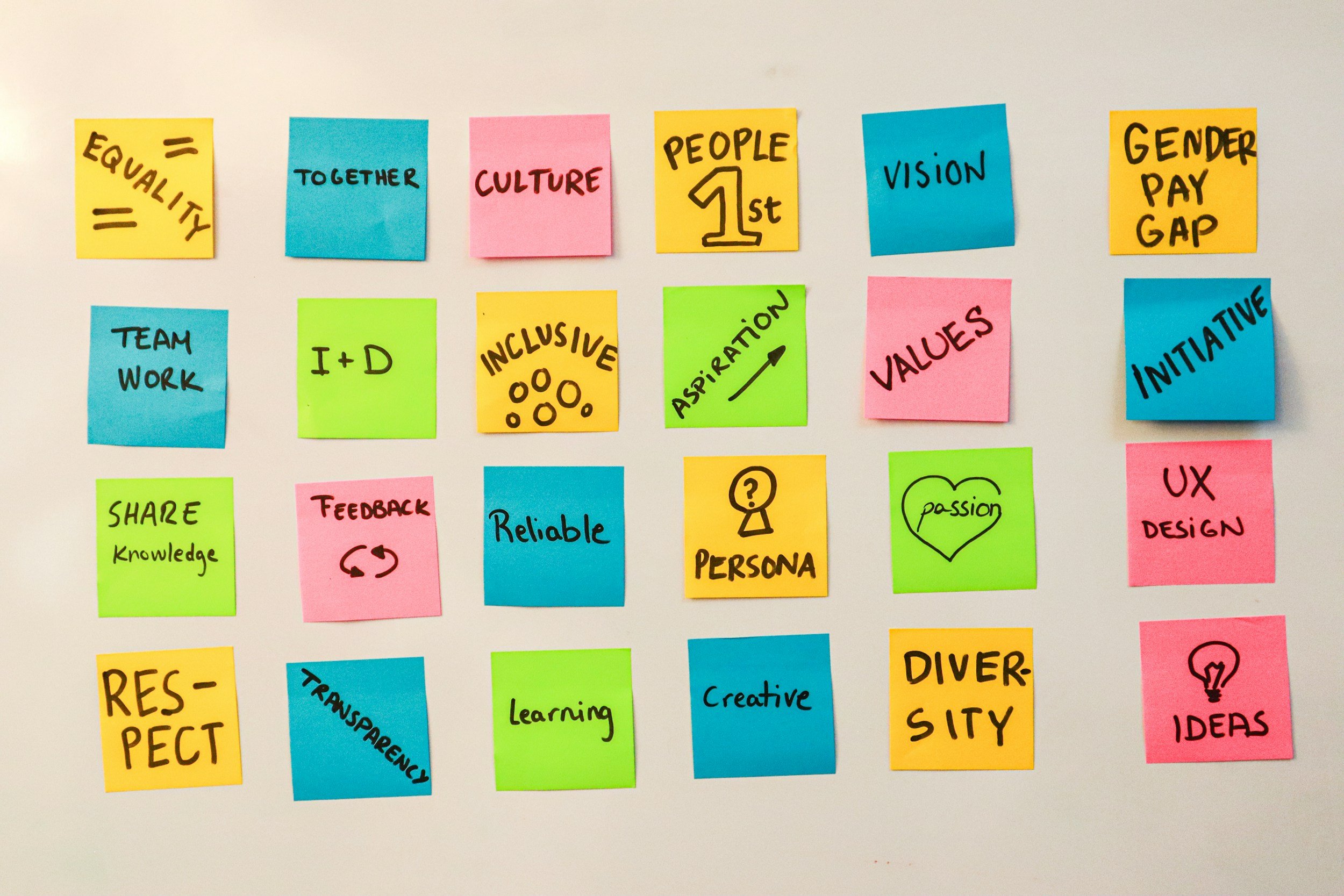
We can safely say the well-being of the PR professional has been a volatile experience since March 2020. After three years of evolving relationships between employees and employers, it’s time to focus on strategies centering on stability. My 2023 call to action for you is to define, communicate, and live your values to ensure your well-being is front and center. Values are “the fundamental beliefs that guide and motivate our behavior and choices of what is important in life.” Brand-new employee experience data from Qualtrics says, “When employees feel their organization embodies these values, they’re 27% more likely to have higher engagement scores, and 23% more likely to stay working for more than three years.” The more your employees understand and embrace their values, the better they will perform for you. And the better they perform for you, the more money your company will make. Additional data from the same Qualtrics report says, “Globally, 63% of those who rate their work-life balance highly are willing to go above and beyond for their organizations.” Public relations is a service industry. It can sometimes require the beyond 9-5 Monday-Friday experience. However, we must set boundaries as the DEFAULT rather than the EXCEPTION. I encourage every public relations professional to spend this month doing the following: 1. Understand the values of your employer. Ask your manager or other leaders how they identify with or live those values. If you run your own company, review and refresh your values. 2. Understand how your personal values align with your company’s values. You should avoid working at companies whose values interfere with what is important to you! 3. Identify three things for your well-being to focus on this year in alignment with those values. Examples include hiring a financial planner, volunteering for a professional association, or blocking an hour out of every day for exercise. 4. Assess how your company’s values are consistently and strategically communicated at your workplace. For example, include them at the top of every internal meeting agenda, or reference them when praising others (directs, peers, and bosses) for outstanding work and how they tie to those values. 5. Encourage your employees to share examples of how they used your company’s values to improve their well-being. For instance: Chasing the Sun’s values are respect for time, transparency, and professionalism. If a Chasing the Sun employee told me this month they preplanned their entire 2023 paid time off schedule (as I used to do during my career), I might give them a spot bonus for prioritizing their well-being. Let’s look to 2023 as an empowering force for us to focus on living our values. Because when that happens, we can truly advance the PR profession and you as a world-class professional. I look forward to following along on your respective journeys.
The Essential Self-Care Guide for First-Time People Managers
Direct reports model their professional behavior entirely on their managers. If a first-time manager fails to delegate tasks, sends late-night emails, or skips vacations, their team will quickly burn out. Proactively modeling visible, healthy boundaries is the most effective way a new leader can retain their talent.
Why is self-care critical for new people managers?
Direct reports model their professional behavior entirely on their managers. If a first-time manager fails to delegate tasks, sends late-night emails, or skips vacations, their team will quickly burn out. Proactively modeling visible, healthy boundaries is the most effective way a new leader can retain their talent.
As we head into 2023, many of us will be promoted and taking on new responsibilities. Some of you will become people managers for the first time. Congrats in advance!
Becoming a new people manager is a seminal moment for a public relations professional. I remember when I learned I’d be managing someone. It was one part exhilarating and one part scary!
A transition from tactician to one responsible for another person’s professional development is an important responsibility.
The key to a successful manager/employee relationship is taking care of your well-being so you have the energy to ensure your direct reports feel supported and confident to do their job.
Helping to prevent or minimize work-related stressors by proactively discussing workplace well-being will positively impact your managerial role.
Here are three well-being tips for new people managers.
Act like you now have a new job…because you do!
Having a sense of your new role and responsibilities will go a long way to ensuring your path is successful. Before you start managing people, speak with your direct manager, secure agreement on your priorities going forward, and what should be delegated. A great manager will guide you on how to make this evolution, which includes feeling comfortable with letting some tasks go to someone else.
Letting go is one of the most challenging parts of being a manager. You now can help someone else learn how to write a media pitch, develop a press list, write the first draft of social media posts, and other tactics you’ve already mastered.
Understand people will be following your lead.
We often look to our direct managers as a model for how we should function professionally. Your new directs will look at every move you make, including:
- If you’re sending emails late at night and over weekends.
- Are you joining conference calls while on vacation?
- Are you even taking a vacation?
- Are you scheduling meetings just to schedule meetings?
Modeling the behavior as one who prioritizes their well-being will show your team the right path forward and ultimately help retain your team members who otherwise might burn out and want to leave the company. See this new role as an opportunity to establish a best practice to protect your and your team’s well-being.
Ask questions and listen.
Now you’ve established your role and the boundaries you’ll set, now is the opportunity to have discussions with your new directs. As you’re building relationships, consider asking the following questions.
- What would help you maintain your well-being while working?
- If you’re comfortable sharing, name scenarios you found challenging at work that has impacted your well-being.
- How would you like to be supported if you are feeling stress and anxiety?
- How have workplace situations caused stress in the past?
- How can I best support your well-being?
Finally, one of the most important things I learned in my public relations career: your success is measured by the success of your team. Celebrate great work from your team, share kudos with your leadership, and give your directs opportunities to succeed and shine. Their accomplishments will be rewarded, and you will be rewarded as well.
Establishing these best practices will go a long way to ensure your well-being is a priority and those of your team as well.

Beating Seasonal Executive Burnout: How to "Fall Forward”
The end of Daylight Saving Time and the resulting shorter days trigger a significant seasonal spike in cortisol (the body's primary stress hormone). Leaders must mitigate this seasonal performance dip by proactively adjusting sleep schedules weeks in advance and enforcing strict "home network only" boundaries in the evening.Does the end of Daylight Saving Time impact workplace stress?
Yes. The end of Daylight Saving Time and the resulting shorter days trigger a significant seasonal spike in cortisol (the body's primary stress hormone). Leaders must mitigate this seasonal performance dip by proactively adjusting sleep schedules weeks in advance and enforcing strict "home network only" boundaries in the evening.
Happy Fall, everyone. Time for all things pumpkin spice, leaves turning, and crisp mornings. There are three months left in the year. Most of what has happened this year has been completely out of our control. I want to help put you back in the driver's seat of your car as we start the final quarter.
For a majority of Americans, Saturday, October 31 will be the end of Daylight Savings Time. A time change can impact us mentally and physically for several days or weeks. Research suggests that there are “seasonal variation in cortisol levels with significantly higher levels found in winter and fall than in spring and summer.” Since cortisol is essentially your body’s main stress hormone, it’s important to recognize the impact of how we will feel in the coming months as the days are shorter and the evenings are longer. I am here to help you prepare for this change and implement techniques to make this experience more positive.
Here are three things you can do starting today to prepare for this change and ultimately “Fall Forward.”
Shift your mindset: Typically, we get excited about “gaining” an hour when we “fall back.” We are not “gaining an additional hour” as a result of the fall clock adjustment. We are “adjusting an hour.” There are still 24 hours per day ahead of you. Waking up at your “normal” time on Sunday, November 1 is critical to having a successful sleep pattern to get you through the week.
Recommendation: Schedule something now that you can look forward to participating in on the morning of Sunday, November 1. Schedule time to get outside and exercise, see friends (physically distant, obviously), or schedule a fall photoshoot with your family. Stay away from screens as much as possible; if you must work on the weekend, spend that time on Saturday, October 31 (before the Trick or Treating starts!). Encourage your colleagues and teams to do the same.
Make small changes week over week: Making habits permanent doesn’t happen overnight. When I started my 150 pounds weight loss journey in 2007, I started examining my breakfast and my breakfast only. The same approach works with how we can thrive during a time change. Start slow and with purpose.
Recommendation: Every week in October set your alarm to wake up 5 minutes earlier. If you typically wake up at 6:00 a.m., set your alarm to 5:55 a.m., the next week at 5:50 a.m., and so on until you wake up 20 minutes earlier in November. Spend that extra time on YOU. Read, meditate, journal, exercise, or get another kind of a quick, early “win” that can set your day off right.
Create your “home network only” time every evening: Studies show that time on our smartphones late at night has negative effects on our sleep patterns and daytime productivity. Focusing exclusively on your immediate home network – your family - in the evening can help you sleep better at night and feel more refreshed in the morning. Trust me, your social networks and all your notifications will still be there in the morning!
Recommendation: Set a reminder on your phone every evening that starts your “home network only” time. No more email or scrolling social media endlessly every evening!
Please take these recommendations to heart so you can start the last few months of the year on the right foot. Have a wonderful start to the fall, everyone.

Placing Well-Being at the Center of the Employee Experience
The global pandemic has permanently rewritten the relationship between public relations agencies and their talent, elevating well-being to the ultimate deciding factor in job retention. To remain competitive and minimize turnover, executives must ensure that empathetic well-being practices aren't just corporate lip service, but are aggressively modeled by every immediate people manager.
How does employee well-being drive corporate recruitment and retention?
The global pandemic has permanently rewritten the relationship between public relations agencies and their talent, elevating well-being to the ultimate deciding factor in job retention. To remain competitive and minimize turnover, executives must ensure that empathetic well-being practices aren't just corporate lip service, but are aggressively modeled by every immediate people manager.
The pandemic accelerated what was already a critical topic in our profession; how will we, as PR leaders, act as trusted advisors while ensuring our well-being is a priority?
In the beginning of lockdown, we focused on survival. We took virtual yoga classes, wine tastings, and art classes, among other activities to stay active and connected.
Then, in-between COVID variants, came the off/on switch of staying at home and going to the office. At the same time, the economy was doing well, the job market opened up, and employees were leaving for greener pastures.
Now we are in an awkward phase of balancing the flexibility and balance of working from home with the social and relationship-building benefits of working in person.
This sudden change has caused us to reexamine how companies are providing the right benefits and well-being support to their employees. And employees are taking that information and comparing it to prospective employers.
One thing is for certain: the pandemic has permanently changed the relationship between employees and employers.
The employee’s experience at their company needs to be designed with their emotional, financial, mental, and physical well-being closely in mind. That experience starts with the website, the job description, and recruiter interview, continues through the hiring, onboarding, and training process, and will ultimately be examined during employee satisfaction surveys, exit interviews, Glassdoor ratings, and the company’s financial reports.
Employers need to consider the questions employees are asking themselves:
• How is my life positively impacted because I work for this company?
• Money is and will continue to be the primary compensation for employees. However, we’ve witnessed people leave jobs for others at a reduced salary or stay at their companies at the cost of earning more elsewhere. Why?
• Does my manager care about me as an employee? My company places a lot of emphasis on C-level support and participation in well-being practices. From audio-only calls to email-free vacations, we continue to see members of the C-suite promoting this through internal communications and on social media channels such as LinkedIn. However, if my immediate manager doesn’t model this behavior, how do I empower myself to follow the path that’s best for my well-being?
Finally: will addressing the above questions positively impact the company’s business goals? Let’s not dance around the obvious; companies have business goals they need to meet. Any initiative needs to have business goals in mind. Recommendations need to be research-based through first-party quantifiable and qualifiable data from your employees, designed with measurable objectives in mind, and paired with relatable, practical, and actionable tactics that will benefit the employee and employer.
This is a new era in the relationship between employee and employer. I look forward to seeing how this evolves in the coming months and years.

Why "Toxic Positivity" is Destroying Your Team's Resilience
Forcing a "positive vibes only" culture during challenging times invalidates authentic emotions and drastically harms team mental health. Leaders must eradicate toxic positivity by deeply recognizing complex emotions, openly expressing vulnerability by saying “I don’t know,” and pausing automated business-as-usual messaging during crises.
How does toxic positivity impact team mental health?
Forcing a "positive vibes only" culture during challenging times invalidates authentic emotions and drastically harms team mental health. Leaders must eradicate toxic positivity by deeply recognizing complex emotions, openly expressing vulnerability by saying “I don’t know,” and pausing automated business-as-usual messaging during crises.
In the public relations industry, it can be easy to focus exclusively on having a positive mindset. The issue with that mindset lies when we are working with those who are going through personal or professional challenges. While with good intentions, phrases like “They’re in a better place now,” “Get on with it,” and “Positive vibes only” can cause more harm than good. These phrases are examples of Toxic Positivity, defined as “the belief that no matter how dire or difficult a situation is, people should maintain a positive mindset.”
If you’ve been a recipient of toxic positivity, it could have had a negative impact on your mental health. In short, overcoming toxic positivity is about reading the physical and virtual room. As business leaders, we not only need to recognize our own emotions, but our colleagues and clients as well.
How can we reverse toxic positivity? Here are three ways.
Understand and communicate our emotions.
Much like a heartbeat or breath, an emotion is a physiological experience to give you information about the world. Research from UC Berkeley says there are 27 human emotions. From admiration, boredom, and calmness, to disgust, fear, and surprise, how we feel and communicate these emotions is critical.
When we recognize these emotions more profoundly, they can positively impact our personal and professional relationships. Understanding and expressing our feelings is fundamental to having good mental health. Next time someone asks you how you’re doing, particularly during a challenging time, go deeper by examining and sharing one of the emotions identified.
Be vulnerable by saying “I don’t know.”
We are often quick with our responses. As leaders, problem identifiers and solvers, we feel under pressure to have all the answers. We don’t have all the answers and can’t solve all the problems! We must respect ourselves enough to say when we don’t have a reply to a question. We must stop putting pressure on ourselves to have answers to all the questions. It’s also a sign of vulnerability; a positive trait people look for in leaders. Saying, “I don’t have all the answers,” or “I don’t know,” is incredibly powerful and ultimately shows leadership.
Have a social media pause plan in place.
Consider pausing your brand’s social media channels when a local, national, or global emergency occurs. The last thing your fans and followers want to see in their feed during a crisis is a sunny, cheerful post about an upcoming sale. Social media community management tools help ease the challenge of scheduling content. However, if you use an automated scheduling tool, please make sure you have a pause plan in case of an emergency.
Installing these recommendations will help retain and grow your relationships, even during the most challenging times. Be safe. Be kind. Be well.

The 6-3-1 Method: A Proactive Approach to Executive Paid Time Off
Executives chronically underutilize their earned vacation days due to artificial guilt and a lack of pre-planned coverage. Leaders can permanently solve this by implementing the "6-3-1 Approach"—proactively scheduling their PTO for the entire year and utilizing a structured communication and delegation plan before logging off.
Why do executives struggle to use their paid time off?
Executives chronically underutilize their earned vacation days due to artificial guilt and a lack of pre-planned coverage. Leaders can permanently solve this by implementing the "6-3-1 Approach"—proactively scheduling their PTO for the entire year and utilizing a structured communication and delegation plan before logging off.
Heading into springtime, many of us are thinking about ways to enjoy time off away from meetings and deliverables. Unfortunately, recent data shows we are not entirely using a vital employee benefit: getting paid not to work. Brand-new research from the U.S. Travel Association says in 2021:
- Only 25 percent of Americans used ALL of their earned time off.
- American workers left an average of more than four days or 29 percent of their paid time off (PTO) on the table.
- More than half (53 percent) of remote workers work more hours now than in the office.
In an era in which we’re seeing companies attempting to offer four-day work weeks and unlimited paid time off, without a structure in place, issues of burnout will continue to soar.
Beyond the data, we continue to have the following perceptions:
- “It looks good to the boss if I’m available 24/7.”
- “My boss never takes a vacation, so I won’t either!”
- “If I take time off, I’ll have to do more work in less time.”
This month, I challenge you to take a different approach to your time off. Don’t expect your manager or human resources department to micromanage how much PTO you have remaining. Set your boundaries and take your earned time off!
Here are some actionable tips on how to use your earned time off.
First, create your proactive system.
In my public relations career, I used a 6-3-1 approach. I would take a week off every six months, every three months I’d take a long weekend, and every month I’d take a half day or full day. Setting this in my calendar gave me the confidence I will use my time off and set boundaries with my colleagues, managers, and clients. Design a system that works for you.
Once your vacation is scheduled, it’s time to set yourself up for a stress-free time off.
At least 1-2 weeks before your vacation, create a pre-vacation priorities plan. The process is as simple as getting out a piece of paper and sorting your priorities into four categories:
- Pre-vacation priorities: what must be done before you leave, and how are you making time for these priorities?
- Delegate: what project(s) will continue while you’re away, who is your proxy, and do they know what they need to execute?
- Post-vacation priorities: what are your work priorities when you return, and when will you work on those priorities?
- Delete: what is NOT a valuable use of your time or anyone else’s time?
Additional tips before you leave on vacation:
- Block out at least 1-2 hours in your calendar for your first day back. This time is for you to review your email inbox and get caught up before diving into meetings and other activities.
- Build in a recovery day. If you’re traveling, the stresses of doing so on a Sunday before going back to work on Monday won’t make you feel refreshed. Consider leaving for home 48-72 hours before you return to work.
- Ask your team to send you a “while you were away” email. I always appreciated a “what you missed” email when my teams shared immediate highlights, issues, and questions I should start reviewing upon my return. And I worked with my teams to return this in kind when my colleagues were away.
This approach will empower you to take the time off you deserve guilt- and stress-free. Now, get planning and enjoy your vacation!